BPC-157 HPLC Purity Testing & COA Verification: Why Demand Makes This Peptide a QC Battleground
Why BPC-157 Is a Special Case for Quality Control
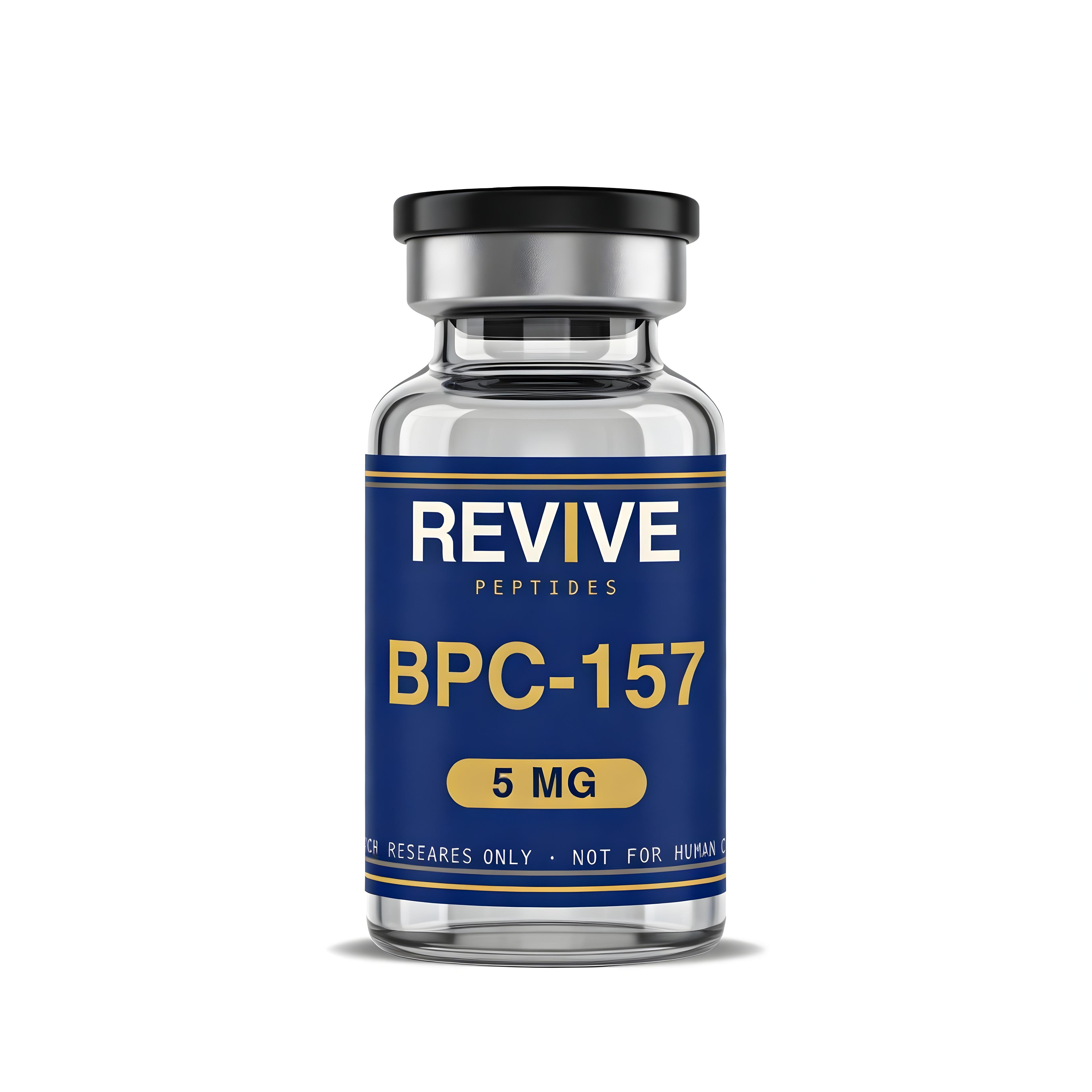
BPC-157 — a 15-amino-acid pentadecapeptide with a molecular weight around 1419 Da — is consistently among the most searched and most purchased research peptides in the UAE and globally. High demand pulls in a wide range of suppliers, and not all of them compete on the same basis. Some compete on rigorous testing and transparent documentation. Others compete purely on price, which is difficult to do honestly if HPLC testing and proper purification are actually being performed on every batch, since both cost real money.
This dynamic is exactly why buyers researching BPC-157 specifically need to be more, not less, diligent about COA verification compared to less commonly stocked compounds. Popularity creates market pressure that can incentivize cutting corners on testing — and a buyer who only compares price without checking documentation has no way to tell a properly verified lot from one that isn't.
What HPLC Testing Actually Measures
Confirming the intact 15-residue chain
Reverse-phase HPLC separates a dissolved sample's components as they travel through a column, based on their interaction with the column's stationary phase. Each component elutes at a characteristic retention time and is recorded as a peak. For BPC-157, an analyst confirms the primary peak's retention time is consistent with the intact 15-amino-acid sequence, and calculates purity as the proportion of total peak area belonging to that correctly assembled peptide.
What "≥99.2% purity" represents
A stated purity of ≥99.2% means that, for the specific tested lot, at least 99.2% of the material detected corresponds to the correctly assembled BPC-157 sequence, with the remainder made up of related synthesis impurities. It is a measurement from an actual analytical run on that batch — not a general statement about the compound.
What a Real Certificate of Analysis Should Contain
A genuine, lot-specific BPC-157 COA should include:
- Product name and specification
- Lot or batch number for that manufacturing run
- Test date
- Testing method (HPLC)
- Measured purity percentage for that lot
- Molecular weight confirmation
- Appearance / identity description
- Storage recommendations
- Research-use-only statement
Because BPC-157 is sold by so many suppliers, it's also the compound where you're most likely to encounter recycled, generic "certificate" templates with no batch-specific data. If the lot number doesn't match the vial, or the document reads identically across every product a supplier sells, that document isn't doing its job.
The Real Risk of Buying Without a COA
In an unregulated market with this much competition, the absence of independent verification is the single biggest risk factor for research buyers. Watch for:
- No COA provided, or one that's clearly a generic template.
- Prices dramatically below the UAE market range — a common tactic in a crowded, price-sensitive category.
- No verifiable UAE business address.
- Only untraceable payment channels, with no order documentation.
How REVIVE LAB UAE Verifies BPC-157
| Spec | BPC-157 5 mg vial |
|---|---|
| Price | AED 490 |
| Molecular weight | ≈1419 Da |
| Purity (HPLC) | ≥99.2% |
| Class | Pentadecapeptide, 15 amino acids |
| Documentation | Lot-specific HPLC Certificate of Analysis with every order |
| Form | Lyophilised powder, research use only |
A Practical Checklist for UAE Research Buyers
- Request the COA before ordering — don't accept "we'll send it later."
- Confirm the lot number on the COA matches the vial received.
- Check the test date corresponds to the actual batch, not a reused document.
- Treat unusually low BPC-157 pricing as a reason to ask more questions, not fewer.
- Verify the supplier has a real, checkable UAE business presence.
Frequently Asked Questions
What does HPLC testing verify for BPC-157?
It confirms the identity of the intact 15-amino-acid sequence and measures what percentage of the sample is the correctly assembled peptide versus synthesis byproducts.
What should a Certificate of Analysis for BPC-157 include?
Product name, lot number, test date, testing method, measured purity, molecular weight confirmation, appearance description, storage recommendation, and a research-use-only statement.
Why is BPC-157 particularly exposed to quality-control risk in the research-peptide market?
Its high demand draws many suppliers into price competition, which can incentivize cutting corners on testing — making independent COA verification more important than for less commonly stocked peptides.
Does REVIVE LAB UAE provide a COA with every BPC-157 order?
Yes — every batch is HPLC-tested to ≥99.2% purity with a matching lot-specific COA shipped with the vial.
REVIVE LAB UAE ships BPC-157 5 mg vials with a lot-specific Certificate of Analysis on every order.
Buy BPC-157 UAE →
References
- United States Pharmacopeia. General Chapter <621> Chromatography. USP-NF.
- International Council for Harmonisation. ICH Q6B: Specifications for Biotechnological/Biological Products.
- Snyder LR, Kirkland JJ, Dolan JW. Introduction to Modern Liquid Chromatography. 3rd ed. Wiley; 2010.
- Sikiric P, Seiwerth S, Rucman R, et al. Stable gastric pentadecapeptide BPC 157: novel therapy in gastrointestinal tract. Curr Pharm Des. 2011;17(16):1612–1632.