BPC-157 Marathon Runner Research Protocol UAE: Dosing Windows, Connective Tissue Science & Dubai 24h Delivery (2026)
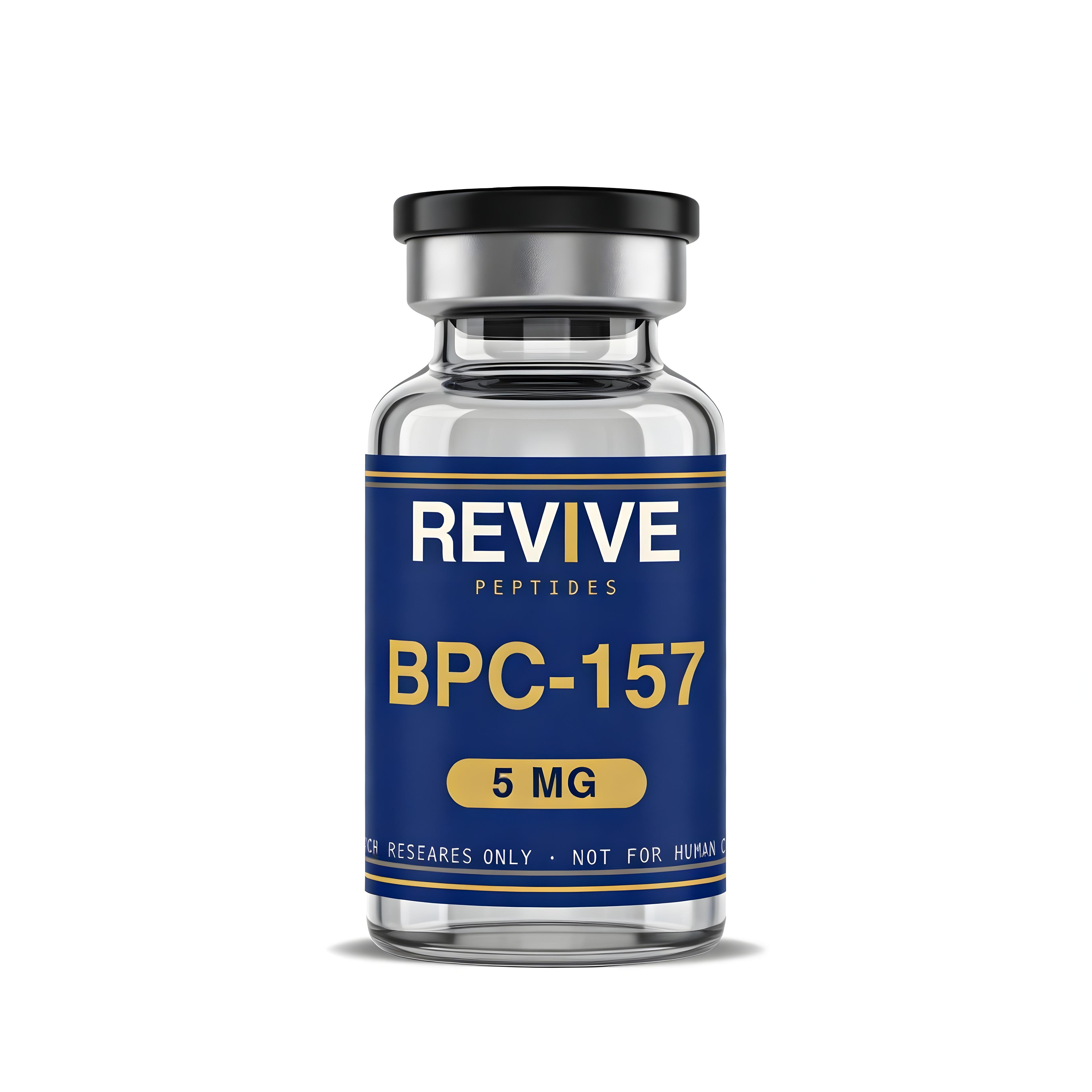
Every serious marathon researcher in Dubai eventually runs into the same wall — not the 32km wall, but the connective tissue wall. Achilles tendons, plantar fascia, IT bands, patellar ligaments, and knee cartilage absorb the cumulative load of 80–160 km training weeks on asphalt. By the time a runner hits taper week for the Dubai Marathon or a desert ultra, the question is no longer just VO2max and glycogen — it's whether the tendons held together long enough to reach the start line.
BPC-157 has become one of the most-studied peptides in this connective tissue space. Investigators have documented its effects on collagen synthesis, angiogenesis, and growth factor receptor upregulation across a body of work anchored by Sikiric and colleagues spanning more than a decade. If you are a researcher or research coordinator in the UAE working with this molecule, this guide covers the mechanism, the protocol math, cold storage in Dubai's climate, and where to buy BPC-157 in stock UAE with reliable 24h delivery. REVIVE LAB UAE supplies HPLC-verified, lot-COA, cold-chain dispatched BPC-157 across all 7 emirates.
What BPC-157 Is: The Mechanism Investigators Focus On
BPC-157 (Body Protection Compound 157) is a synthetic 15-amino acid peptide derived from a protective protein found in gastric juice. Its sequence is Gly-Glu-Pro-Pro-Pro-Gly-Lys-Pro-Ala-Asp-Asp-Ala-Gly-Leu-Val, and critically, it does not occur naturally in isolation — it is a research compound synthesized to replicate a sub-sequence of the parent gastric protein for study purposes.
Three mechanisms dominate the literature for musculoskeletal research applications:
- Angiogenesis via VEGF upregulation. BPC-157 has been shown to upregulate vascular endothelial growth factor (VEGF) and its receptor VEGFR2, promoting new blood vessel formation in injured tissue. For connective tissue healing — which is notoriously avascular — this is a meaningful differentiator from most peptides in the research space.
- Collagen synthesis and fibroblast activation. Investigators have documented BPC-157's ability to accelerate fibroblast migration and proliferation, promoting organized collagen deposition at injury sites. This is the mechanism most relevant to the tendon remodelling that marathoners need after high-mileage blocks.
- Nitric oxide (NO) system modulation. BPC-157 interacts with the endothelial nitric oxide synthase (eNOS) pathway. Both pro-NO and NO-blocking experimental conditions have been used by Sikiric's group to characterize BPC-157's vasodilatory and cytoprotective effects, suggesting a nuanced, context-sensitive interaction with the NO system rather than simple agonism.
- EGR-1 pathway activation. Early growth response protein 1 (EGR-1) is a transcription factor that regulates genes involved in cell growth, differentiation, and angiogenesis. BPC-157's ability to activate EGR-1 in tendon fibroblasts is one of the mechanistic signatures Sikiric and colleagues identified in their comprehensive review work.
Taken together, these pathways explain why investigators studying repetitive-strain connective tissue models reach for BPC-157: it targets the precise biological bottlenecks — poor vascularization, slow collagen turnover, and blunted fibroblast response — that make tendon injuries so resistant to conventional recovery strategies.
Marathon Training Loads and the Connective Tissue Problem
The biomechanics of marathon training create a specific injury profile. A 70 kg runner striking the ground at 4:30/km pace generates approximately 2.5–3x bodyweight in impact force per stride — roughly 1,700–2,000 N — repeated 35,000–45,000 times in a single 42.2 km race, and millions of times across a 16–20 week build. The structures that fail first are almost always connective: the Achilles tendon, the plantar fascia, the posterior tibial tendon, the iliotibial band, and the patellar ligament.
The cumulative research work of Sikiric et al. — particularly the 2018 comprehensive review and the earlier 2011 Journal of Physiology and Pharmacology characterization — documents BPC-157's effects in tendon, bone, muscle, and ligament injury models. What makes this literature relevant to marathon investigators is the consistency of the finding across injury types: BPC-157 appears to accelerate the early inflammatory-to-proliferative transition in healing tissue, which is precisely the phase where marathon-related overuse injuries stall. Achilles tendinopathy, in particular, is characterized by a failure to exit the degenerative phase and initiate organized collagen remodelling — the exact gap BPC-157's fibroblast and VEGF mechanisms are designed to address in research models.
For investigators in Dubai working with marathoners, this specificity matters. Generic recovery peptides (IGF-1 analogs, GH secretagogues) act systemically; BPC-157 research is anchored in local tissue biology, which maps more directly onto the structural demands of high-volume run training.
Buy BPC-157 UAE — Order Now →
Investigator Timing Frameworks Around Training Sessions
Published protocols and investigator notes do not endorse a single universal timing window, but several patterns emerge from the literature and research community:
- Pre-session administration (30–60 min before loading): Some investigators hypothesize that pre-loading BPC-157 before a high-impact training session may support tissue resilience during the mechanical stress window, given the NO-system and angiogenesis pathways involved.
- Post-session administration (within 60 min of training): The majority of investigator protocols in musculoskeletal healing models use post-stress timing, reasoning that the fibroblast proliferation and VEGF upregulation mechanisms are most relevant during the tissue remodelling response that follows mechanical loading.
Investigators should note that BPC-157's research-context window in most published marathon-adjacent connective tissue studies runs 4–12 weeks, aligned with a standard marathon training block. You can explore the full REVIVE LAB UAE protocol context and order HPLC-tested vials at our BPC-157 UAE product page.
Site Selection and Administration Frameworks in Connective Tissue Research
In animal models, Sikiric and colleagues (2011, 2018) have studied both systemic and local BPC-157 administration routes. The connective tissue healing data in tendon models draws from both intraperitoneal and peritendinous local injection frameworks in the preclinical work.
For marathon-specific connective tissue targets — Achilles, plantar fascia, IT band insertion — investigators working with perilesional delivery frameworks document site preparation, anatomical landmark identification, and strict aseptic technique as the operational baseline. These are research protocols, not therapeutic instructions, and should be treated as such.
Order BPC-157 Dubai 24h →
Cold Storage in Dubai's Climate: What Investigators Must Know
Dubai's summer ambient temperature regularly exceeds 40°C, and vehicle interiors can reach 70°C within minutes. This is not a minor footnote for peptide researchers — it is the operational variable that determines whether your BPC-157 is still research-grade when you use it.
Lyophilized vs. Reconstituted Storage Rules
| State | Target Storage Temp | Light Exposure | Stability Window | Dubai Summer Note |
|---|---|---|---|---|
| Lyophilized (sealed vial, unreconstituted) | 2–8°C (fridge) | Protect from light | 12–24 months | Never leave in car or on countertop — even 30 min at 45°C risks degradation |
| Reconstituted (BAC water added) | 2–8°C (fridge) | Protect from light, wrap vial in foil | 14 days maximum | Do not reconstitute more than a 2-week supply at once; refrigerator is mandatory |
| In transit (REVIVE LAB UAE courier) | 2–8°C (insulated cold pack) | N/A | 24-36 hours in packaging | REVIVE LAB UAE insulated cold-chain holds through Dubai summer same-day runs |
The single biggest field error UAE researchers make is leaving a reconstituted vial at room temperature for more than 30–60 minutes while preparing for an administration session. At Dubai summer ambient temperatures, peptide degradation accelerates significantly above 25°C. The protocol fix is simple: keep vials refrigerated until the moment of use, and return immediately after drawing. A dedicated mini-fridge for the research workspace is not a luxury in a UAE climate — it is a protocol requirement.
REVIVE LAB UAE Cold-Chain Dispatch
This is precisely where supplier choice matters. REVIVE LAB UAE dispatches all BPC-157 vials in validated insulated packaging with phase-change cold packs sized for Dubai's summer heat load. Same-day Dubai couriers run temperature-controlled routes, not general logistics networks. When you buy BPC-157 UAE from REVIVE LAB, vials arrive cold — not "probably still cold" — with the cold-chain integrity that research protocols depend on.
Where to Buy BPC-157 UAE — Delivery Across All 7 Emirates
Researchers and investigators across the UAE can order BPC-157 from REVIVE LAB UAE with the following delivery windows. REVIVE LAB UAE supplies HPLC-verified, lot-COA, cold-chain dispatched BPC-157 across all 7 emirates — the only peptides UAE supplier built around Dubai's courier infrastructure rather than retrofitted onto general freight.
| Emirate / Area | Delivery Window | Cash on Delivery | Discreet Packaging |
|---|---|---|---|
| Dubai (Marina, JBR, Business Bay, DIFC, Downtown, Palm, Jumeirah, JVC) | Same-day, 4–8 hours | Yes | Yes |
| Abu Dhabi (Corniche, Yas Island, Saadiyat, Reem Island) | Next-day, 18–24 hours | Yes | Yes |
| Sharjah | Same-day / next-day, 8–18 hours | Yes | Yes |
| Ajman | Next-day, 18–24 hours | Yes | Yes |
| Ras Al Khaimah (RAK) | Next-day, 18–24 hours | Yes | Yes |
| Fujairah | Next-day, 24 hours | Yes | Yes |
| Umm Al Quwain (UAQ) | Next-day, 18–24 hours | Yes | Yes |
Payment options: cash on delivery UAE-wide, standard card, and — for researchers who prefer anonymous settlement — USDT TRC20 crypto pay is accepted with a 5% pre-pay discount. A researcher in Dubai Marina who places a BPC-157 same day Dubai order before the daily cut-off will typically have cold-pack vials in hand the same afternoon. BPC-157 24h delivery to Abu Dhabi, Sharjah, RAK, Fujairah, and UAQ is the standard — not a premium service.
Why REVIVE LAB UAE for Your BPC-157 Research Supply
There are two things that matter when sourcing a research peptide for a structured investigator protocol: purity verification and cold-chain integrity. Generic peptide resellers — most of them drop-shipping from overseas warehouses — can offer neither with confidence. REVIVE LAB UAE is different in a specific, auditable way:
- HPLC-verified purity, every batch. Every BPC-157 5mg vial dispatched from REVIVE LAB UAE carries a lot-specific Certificate of Analysis (COA) documenting HPLC purity. Researchers can request their lot COA at the time of order — not as an afterthought, as a standard.
- Cold-chain dispatch, not room-temperature freight. BPC-157 is dispatched in insulated cold-chain packaging validated for UAE summer ambient temperatures. Whether the order goes to JBR, Business Bay, JVC, or Fujairah, the cold-chain integrity is engineered into the courier process.
- In-stock, UAE-based. BPC-157 in stock UAE — right now, not on backorder, not ETA 2–3 weeks from an overseas lab. REVIVE LAB UAE maintains rolling Dubai warehouse inventory so same-day dispatch is a logistical reality, not a marketing promise.
- Research-grade positioning. REVIVE LAB UAE exists to serve investigators and research coordinators who need the peptide supply chain to behave like a supply chain — reliable, documented, and consistent across multi-week research blocks.
Buy BPC-157 UAE →
FAQ
Can I buy BPC-157 in the UAE with same-day delivery in Dubai?
Yes. REVIVE LAB UAE offers BPC-157 same day Dubai delivery for orders placed before the daily dispatch cut-off, with bpc-157 24h delivery across all seven emirates. Vials are HPLC-verified and dispatched cold-chain in discreet, unbranded outer packaging — anonymous shipping is the default, not an upsell. Cash on delivery Dubai is available UAE-wide. USDT TRC20 crypto payment is also accepted with a 5% pre-pay discount for researchers who prefer digital settlement.
How should BPC-157 5mg vials be stored in Dubai's climate during a marathon training block?
Lyophilized BPC-157 vials require 2–8°C refrigeration, protected from light — non-negotiable in a UAE summer environment where ambient air regularly hits 40°C. Once reconstituted with bacteriostatic water, the research solution must remain refrigerated at 2–8°C and should be used within 14 days for optimal research-grade stability. REVIVE LAB UAE dispatches BPC-157 in validated insulated cold-chain packaging that holds temperature through same-day Dubai courier runs, so vials arrive in spec regardless of outdoor conditions. Investigators are advised to maintain a dedicated research fridge for reconstituted vials and to draw doses immediately before use, returning the vial to cold storage without delay.
- Sikiric P, Seiwerth S, Rucman R, et al. Stable gastric pentadecapeptide BPC 157: novel therapy in gastrointestinal tract (including gastric mucosa recovery and repair), neurology, endocrinology, wound healing, bone and tendon healing. Curr Pharm Des. 2018;24(18):1994–2003.
- Sikiric P, Seiwerth S, Rucman R, et al. Focus on ulcerative colitis: stable gastric pentadecapeptide BPC 157. J Physiol Pharmacol. 2011;62(2):125–136.