BPC-157 Reconstitution Guide: BAC Water Math, Concentration Tables & 24h Delivery UAE (2026)
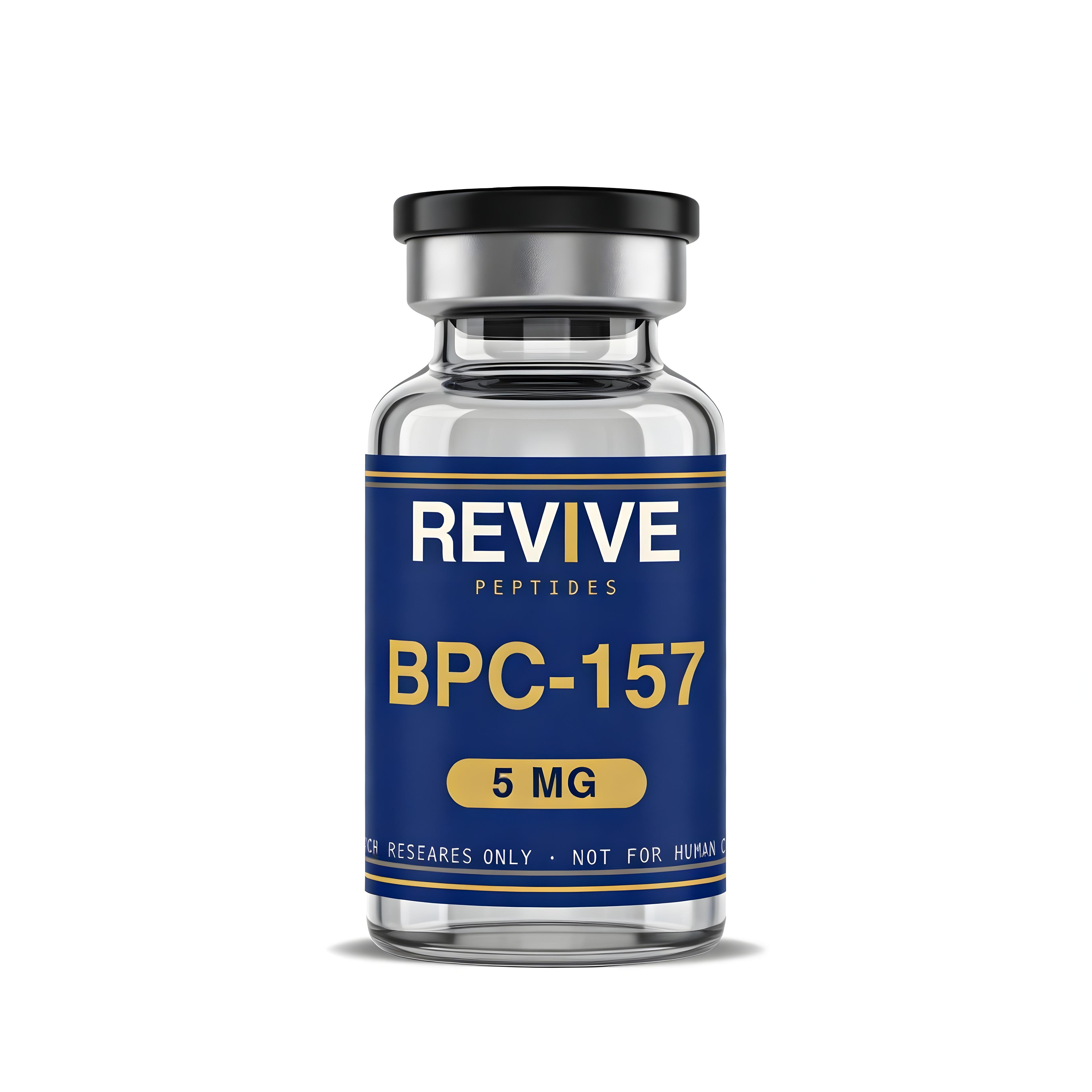
Buy BPC-157 UAE — Order Now →
Step-by-Step Reconstitution Protocol
Consistent technique protects both the peptide and the sterility of the vial across multiple draws over the research window.
- Remove the BPC-157 vial from the fridge and allow it to reach room temperature over 10-15 minutes. Adding cold water to a very cold vial is fine, but room-temperature reconstitution reduces condensation and potential pressure differentials.
- Wipe both stoppers — the BAC water vial and the peptide vial — with separate alcohol wipes. Allow to air-dry for 10 seconds; do not blow on them.
- Draw the calculated volume of BAC water into your larger draw syringe. For a 2 mL reconstitution: draw 2 mL from the BAC water vial.
- Insert the needle into the peptide vial at an angle and direct the BAC water stream slowly down the inner glass wall — never aim it directly at the lyophilized cake. A direct stream can shear the peptide and cause aggregation. This step takes 20-30 seconds of patience.
- Do not shake or vortex. Gently swirl the vial with a slow wrist rotation for 15-20 seconds until the cake dissolves completely. The solution should be clear and colourless. Any cloudiness or particulate is a contamination or degradation signal — discard the vial.
- Label the vial immediately with the reconstitution date and the concentration you have prepared (e.g., "BPC-157 2.5 mg/mL — 28 Jun 2026").
- Refrigerate at 2-8°C immediately. Do not leave reconstituted BPC-157 at room temperature.
Stability After Reconstitution: The Research Window
The pre-clinical literature and peptide stability data converge on a 28-day research use window for reconstituted BPC-157 with BAC water at 2-8°C. This is materially longer than peptides reconstituted with plain sterile water (typically 5-7 days), which is why BAC water is the standard diluent for multi-draw vials. Lyophilized (unreconstituted) vials, stored correctly at 2-8°C in the original sealed carton, carry a significantly longer shelf life — REVIVE LAB UAE vials are lot-dated and tested accordingly.
| State | Storage Condition | Research Use Window | Notes |
|---|---|---|---|
| Lyophilized (sealed) | 2-8°C, dark | Per lot expiry (typically 12-24 months) | Most stable state; do not freeze |
| Lyophilized (sealed) | -20°C, dark | Extended (years) | Freeze only if long-term archiving |
| Reconstituted with BAC water | 2-8°C, dark | Up to 28 days | Label vial with date; discard if cloudy |
| Reconstituted with sterile water | 2-8°C, dark | 5-7 days | Not suitable for multi-draw use |
| Reconstituted, room temperature | 22-25°C | Hours only | Significant degradation risk |
One practical implication for investigators in the UAE: Dubai summer ambient temperatures exceed 40°C outdoors. A reconstituted vial left on a bench for even 30 minutes during transit between a lab and a fridge can degrade meaningfully. Always transport reconstituted BPC-157 in an insulated pouch with a gel pack — the same cold-chain discipline REVIVE LAB UAE applies to its courier dispatches.
Common Reconstitution Errors That Silently Ruin a Vial
Most BPC-157 research failures are not molecule failures — they are preparation failures. Here are the four most common errors seen among investigators who buy BPC-157 UAE for the first time:
- Wrong diluent volume. Adding 1 mL then drawing as if concentration were 2.5 mg/mL will double every dose. Write the concentration on the vial immediately; do not rely on memory.
- Direct stream onto the cake. Jetting BAC water straight at the lyophilized disc creates turbulence and mechanical shear. Peptide aggregates form, the solution goes cloudy, and potency drops. Always aim down the inner wall.
- Vortexing or vigorous shaking. BPC-157 is not a protein shake. Mechanical agitation disrupts the secondary structure of the peptide chain. Swirl only.
- Skipping the date label. A reconstituted vial that looks fine at day 35 is outside the validated research window. Label every vial every time — it takes five seconds and removes all ambiguity.
- Storing in a mini-bar. Mini-bars in UAE hotels commonly sit at 10-14°C, not 2-8°C. Reconstituted BPC-157 degrades faster at these temperatures. Use a calibrated fridge or a USB Peltier travel cooler.
Order BPC-157 Dubai — Same-Day →
The Research Context: What the Sikiric Literature Actually Shows
BPC-157 has an unusually broad pre-clinical research footprint. Sikiric and colleagues at the University of Zagreb have been its primary investigators across three decades, with the Journal of Physiology and Pharmacology 2011 paper ("Pentadecapeptide BPC 157") providing the mechanistic framework: upregulation of the nitric oxide (NO) pathway, induction of VEGF and angiogenesis, and cytoprotective effects on gastric and intestinal mucosa. The 2018 cumulative review extended this across musculoskeletal, CNS, and vascular tissue models.
The investigators who designed these dose ranges were working with well-reconstituted, precisely measured solutions — and that precision starts with correct BAC water volumes.
It bears emphasising: everything in this post refers to pre-clinical research. BPC-157 is not an approved therapeutic in any jurisdiction and this content does not constitute medical advice or a protocol for human use.
Where to Buy BPC-157 in the UAE — 24h Delivery Across All 7 Emirates
REVIVE LAB UAE supplies HPLC-verified, lot-COA, cold-chain dispatched BPC-157 5 mg vials across all 7 emirates. Whether you are based in Dubai Marina, JBR, Business Bay, JVC, DIFC, Downtown, Jumeirah, Palm Jumeirah, Emirates Hills or Arabian Ranches — same-day dispatch applies for orders placed before the daily cut-off. All shipments leave in insulated cold-chain packaging verified to hold 2-8°C through UAE summer transits. Cash on delivery is available UAE-wide; USDT crypto pay (TRC20) is also accepted at a 5% pre-pay discount for researchers who prefer that route.
| Emirate / City | Delivery Window | Cash on Delivery | Cold-Chain Packaging |
|---|---|---|---|
| Dubai (Marina, JBR, Business Bay, JVC, DIFC, Downtown, Palm, Jumeirah) | Same-day, 4-8 hours | Yes | Yes |
| Abu Dhabi (Corniche, Yas Island, Saadiyat, Reem) | Next-day, 18-24 hours | Yes | Yes |
| Sharjah | Same-day / next-day, 8-18 hours | Yes | Yes |
| Ajman | Next-day, 18-24 hours | Yes | Yes |
| Ras Al Khaimah (RAK) | Next-day, 18-24 hours | Yes | Yes |
| Fujairah | Next-day, 24 hours | Yes | Yes |
| Umm Al Quwain (UAQ) | Next-day, 18-24 hours | Yes | Yes |
| Al Ain | Next-day, 24 hours | Yes | Yes |
A researcher in Business Bay who orders bpc-157 same day Dubai before 4pm can typically have cold-packed 5 mg vials in hand by evening — already in optimal condition for reconstitution that same session. This is the operational difference between a genuine UAE-based peptides supplier and an offshore drop-shipper who adds "UAE" to a product title. REVIVE LAB UAE stocks bpc-157 in stock UAE year-round; there is no pre-order waitlist, no estimated restock, no shipping from a freezer farm in Eastern Europe.
Why REVIVE LAB UAE for BPC-157
REVIVE LAB UAE is Dubai-based, not a UAE-registered shell fronting an overseas operation. Every batch of BPC-157 is HPLC-tested to confirm peptide identity and purity, with lot-specific COAs available on request. Cold-chain dispatch is the default, not an upsell: vials leave in validated insulated packaging and arrive in research-grade condition whether the delivery is in Dubai Marina or Fujairah. For investigators who want to verify what they are working with before reconstitution — rather than reconstituting first and wondering later — the COA is the starting point, and REVIVE LAB UAE provides it on every order.
The broader REVIVE LAB UAE research catalogue includes Retatrutide, Tesamorelin, GHK-Cu, TB-500, Semax, MOTS-c and NAD+ — the same cold-chain and HPLC-verification standards apply across all molecules. For BPC-157 specifically, the only stocked vial size is 5 mg, which is the unit most pre-clinical research protocols reference. This avoids the confusion that arises when suppliers offer multiple strengths with different reconstitution instructions; here the math is fixed, the COA is attached, and the supply is UAE-local.
Buy BPC-157 UAE →
FAQ
How do I reconstitute a BPC-157 5 mg vial with bacteriostatic water?
Draw your calculated volume of BAC water into a clean syringe and inject it slowly down the inner wall of the BPC-157 vial — never directly onto the lyophilized cake. For a 1 mL reconstitution (5,000 mcg/mL), 10 IU equals 500 mcg. Swirl gently to dissolve — do not shake or vortex. Label the vial with the date and refrigerate immediately at 2-8°C. The research use window with BAC water is up to 28 days.
Where can I buy BPC-157 in the UAE with same-day delivery?
REVIVE LAB UAE supplies HPLC-verified, lot-COA BPC-157 5 mg vials with cold-chain dispatch across all 7 emirates. Same-day delivery operates within Dubai for orders placed before the daily cut-off — typically 4-8 hours to Dubai Marina, JBR, Business Bay, JVC, DIFC, Downtown, Jumeirah and Palm Jumeirah. Abu Dhabi, Sharjah, Ajman, RAK, Fujairah and UAQ receive next-day 24h delivery. Cash on delivery and USDT crypto pay are both accepted. For bpc-157 Dubai 24h delivery, REVIVE LAB UAE is the in-stock, UAE-based option.
- Sikiric P, Hahm KB, Blagaic AB, et al. Stable Gastric Pentadecapeptide BPC 157, Robert's Stomach Cytoprotection/Adaptive Cytoprotection/Organoprotection, and Selye's Stress Coping Response: Progress, Achievements, and the Future. Gut Liver. 2020;14(2):168-184. [Cumulative BPC-157 review, incorporating data reported through 2018.]
- Sikiric P, Seiwerth S, Rucman R, et al. Stable gastric pentadecapeptide BPC 157: novel therapy in gastrointestinal tract. J Physiol Pharmacol. 2011;62(2):131-138.