Tesamorelin UAE: Storage, Delivery & Sourcing Guide
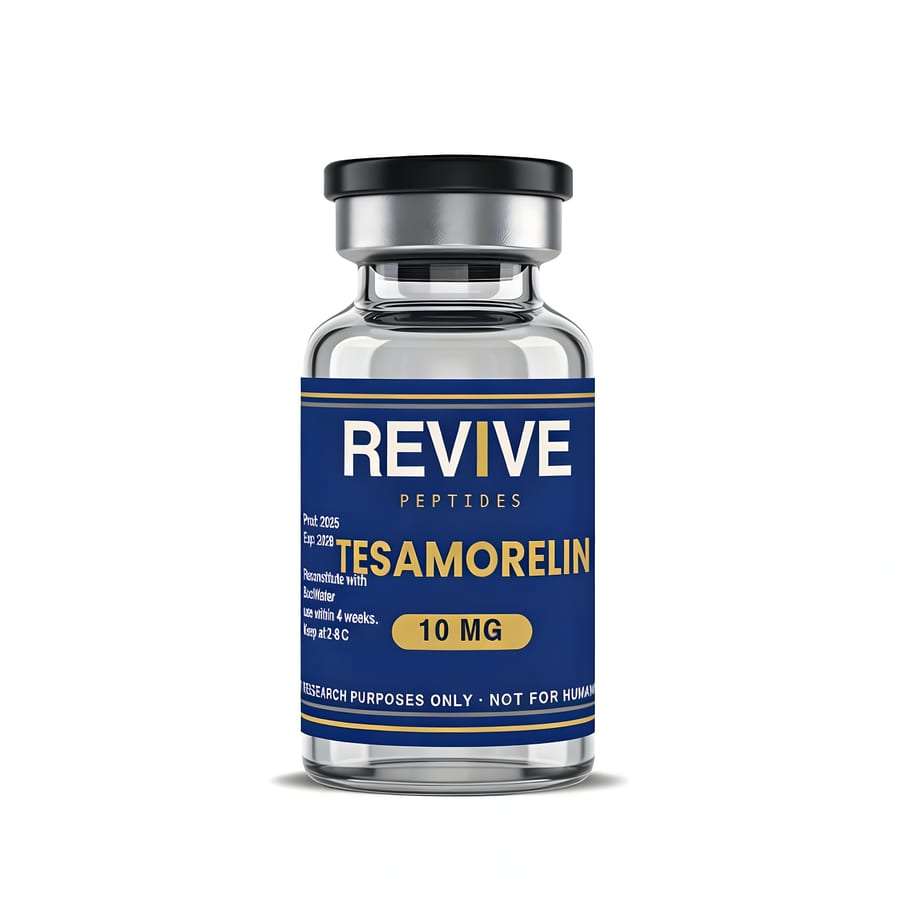
5mg and 10mg vials — same-day dispatch from Dubai for orders before 4 PM. Discreet packaging. COD available.
Buy Tesamorelin UAE — Same-Day Dubai Dispatch from REVIVE LAB UAE
UAE Delivery, Sourcing, and Logistics for Tesamorelin Researchers
Researchers ordering tesamorelin in the UAE — whether based in Dubai Marina, Business Bay, JBR, Palm Jumeirah, Abu Dhabi Corniche, or Sharjah — face sourcing realities that differ sharply from Europe or North America. Local pharmacy channels do not stock research-grade peptides. International courier import adds customs uncertainty. The practical answer for UAE-based researchers is a domestic supplier with in-stock inventory and a reliable domestic courier network — which is exactly what REVIVE LAB UAE operates.
REVIVE LAB UAE ships tesamorelin with protective cold-chain handling appropriate to UAE ambient conditions. Orders placed before 4 PM on business days dispatch same day. Dubai delivery — including Marina, JBR, Business Bay, Downtown, Palm, and the DXB airport corridor — arrives same evening or next morning. Abu Dhabi and Sharjah researchers receive next-business-day delivery as standard. Packaging is fully discreet: no product name, compound description, or REVIVE LAB UAE branding appears on the outer courier box. The waybill shows only sender and recipient addresses.
Payment Methods Available to UAE Researchers
REVIVE LAB UAE offers multiple payment options to accommodate different researcher preferences across the UAE:
- Cash on delivery (COD): Available for Dubai and Abu Dhabi addresses. Pay the courier directly on receipt — no upfront commitment required.
- Binance Pay (USDT TRC20): Crypto-native researchers receive a 5% pre-pay discount. After sending payment, confirm the transaction hash via WhatsApp for order processing.
- Bank transfer: Available at checkout. Well-suited to institutional or B2B research procurement workflows.
- Card payment: Standard online checkout available at revivelab.ae for all order sizes.
For researchers running regular tesamorelin research programmes — those ordering monthly or bi-monthly — REVIVE LAB UAE recommends setting up a recurring order arrangement via WhatsApp to lock in availability. Tesamorelin stock turns over quickly, particularly the 10mg vials, and advance coordination ensures continuity across a multi-week research protocol without supply interruptions.
Storing Tesamorelin in UAE Climate: Non-Negotiable Cold Chain
Dubai and Abu Dhabi ambient temperatures from May through September regularly exceed 38–42°C. In parked vehicles on summer afternoons — common in JBR, Marina, and Business Bay parking structures — interior temperatures can spike past 70°C. GHRH analogs including tesamorelin are sensitive to heat-induced aggregation and oxidative degradation. The UAE climate is the single most significant post-purchase variable affecting research-grade tesamorelin quality, and no amount of careful sourcing compensates for a broken cold chain.
Lyophilised vs Reconstituted: Different Storage Requirements
Lyophilised tesamorelin powder — the form supplied in sealed REVIVE LAB UAE vials — is significantly more thermally stable than reconstituted solution. Sealed, unmixed vials should be stored at 2–8°C in a dedicated refrigerator and protected from freezing, which can crack the glass septum and introduce moisture. Do not store next to the freezer compartment in a domestic fridge.
Once reconstituted with BAC water, the solution requires consistent refrigeration and should be used within 28 days. Reconstituted solution must not be left at room temperature for extended periods, particularly in UAE summer ambient conditions where even brief exposure accelerates peptide degradation. Thermal cycling — moving product between a refrigerator, a hot car, and back — is as damaging as sustained heat exposure. Every uncontrolled temperature excursion reduces research yield.
Practical note for Sharjah and Abu Dhabi researchers receiving next-day delivery: arrange to receive the package promptly. UAE courier apps allow building reception instructions — use them, or arrange a collection point where the parcel will not sit in direct sun. REVIVE LAB UAE ships with protective insulation appropriate for UAE transit times, but the researcher's own cold chain from point of delivery onwards is the governing factor for product integrity.
FAQ
Does REVIVE LAB UAE offer same-day tesamorelin delivery to Dubai Marina, JBR, and Business Bay?
Yes. REVIVE LAB UAE dispatches tesamorelin 5mg and 10mg vials same-day from Dubai for orders placed before 4 PM. Delivery covers Dubai Marina, JBR, Business Bay, Downtown Dubai, Palm Jumeirah, and the DXB airport corridor. Abu Dhabi and Sharjah orders typically arrive next business day. All packaging is fully discreet — no product name or REVIVE LAB UAE branding appears on the outer courier box, protecting researcher privacy at all UAE addresses.
Does REVIVE LAB UAE provide dosing or administration guidance for tesamorelin?
No. REVIVE LAB UAE does not provide dosing, cycling, or administration guidance for any compound — that determination sits entirely with the researcher's own institutional protocol. REVIVE LAB UAE's role is limited to supplying HPLC-verified vials and maintaining cold-chain delivery integrity from dispatch to your door.
Can I order tesamorelin in the UAE with cash on delivery or crypto payment?
Yes on both counts. REVIVE LAB UAE accepts cash on delivery (COD) for Dubai and Abu Dhabi addresses — you pay the courier directly on receipt, with no upfront payment required. Crypto payment via Binance Pay (USDT TRC20) is available at checkout and earns a 5% pre-pay discount; confirm the transaction hash via WhatsApp after sending payment. Bank transfer and standard card payment are also available at revivelab.ae.
- Falutz J, Allas S, Blot K, et al. Metabolic effects of a growth hormone-releasing factor in patients with HIV. N Engl J Med. 2007;357(23):2359–2370.
- Falutz J, Mamputu JC, Potvin D, et al. Effects of tesamorelin, a growth hormone-releasing factor, in HIV-infected patients with abdominal fat accumulation: a randomized placebo-controlled trial with a safety extension. N Engl J Med. 2010;362(5):483.
- Stanley TL, Falutz J, Mamputu JC, et al. Effects of tesamorelin on non-alcoholic fatty liver disease in HIV: a randomised, double-blind, multicentre trial. JAMA. 2014;312(4):380–389.
- Stanley TL, Fourman LT, Feldpausch MN, et al. Effects of tesamorelin on non-alcoholic fatty liver disease in people with HIV: a placebo-controlled trial. Lancet HIV. 2019;6(12):e821–e830.
5mg and 10mg vials in stock now — 24h delivery Dubai, same-day dispatch, discreet packaging, COD available
Order Tesamorelin UAE — REVIVE LAB UAE, In Stock Today