Tesamorelin Pre-Honeymoon Cycle UAE 2026: Research-Context Timing Guide for Dubai and UAE Labs
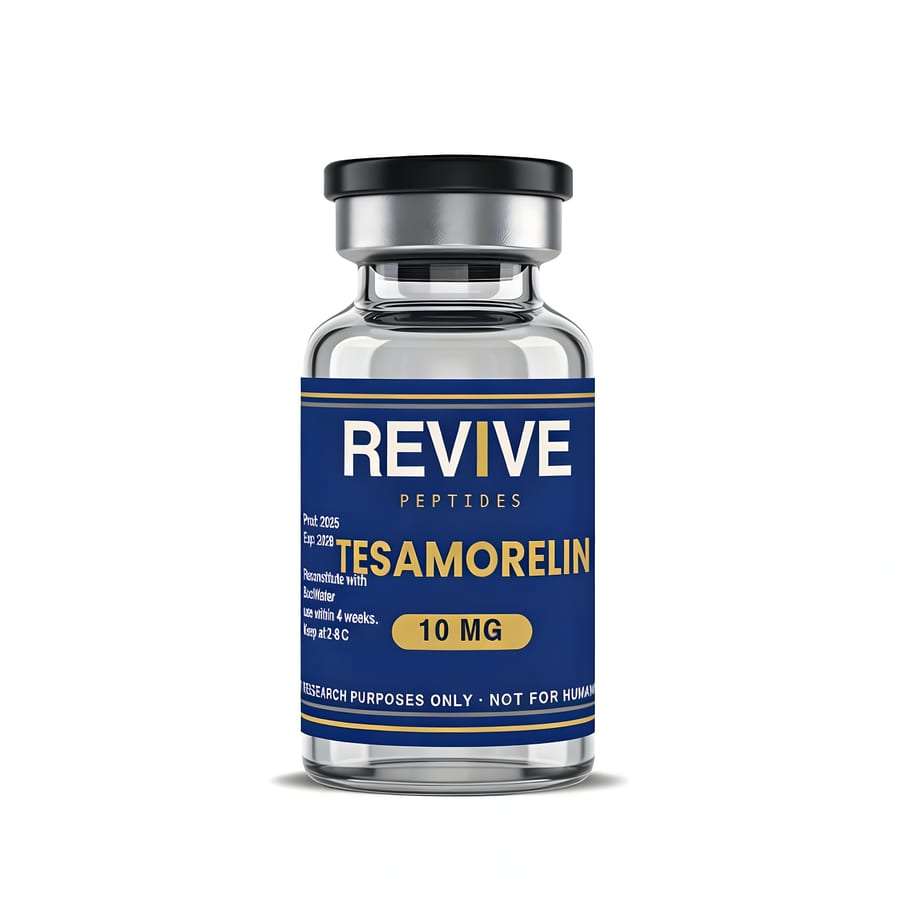
Why UAE Researchers Are Timing Tesamorelin Protocols Before Autumn 2026 Milestones
Among the UAE's growing independent research community — labs and study groups operating across Business Bay, the Dubai Marina corridor, Abu Dhabi university-adjacent facilities, and private setups in Sharjah — tesamorelin has become the de facto reference compound for GH-pulse modulation research. The reason is not hype. It is the only synthetic GHRH analog with a robust, double-blind, phase 3 randomised controlled trial record in human subjects. When researchers here compare peptides UAE supply options and ask which one has real clinical data behind it, tesamorelin is the answer every time.
The "pre-honeymoon cycle" framing within UAE research communities refers to a specific experimental paradigm: initiating a tesamorelin observation protocol 10 to 16 weeks ahead of a defined assessment milestone — a body composition scan, a metabolic panel series, a photographic endpoint comparison — so that GH pulse parameters and visceral adipose tissue markers can be tracked across a fixed, structured window. It is a disciplined research design that prioritises endpoint clarity over open-ended dosing.
With the Dubai summer now in full force — outdoor temperatures at JBR and Palm Jumeirah averaging 40-43°C through June — researchers are planning backwards from autumn events. The UAE Q4 season (October through December) is the densest period on the social calendar, from DIFC gallery openings to Palm Jumeirah weddings to Abu Dhabi Formula 1 weekend. Researchers targeting October or November assessment milestones who want at least 12 weeks of protocol data need to initiate by the end of June or during July. That narrowing window is why tesamorelin in stock UAE sourcing queries are spiking on revivelab.ae right now.
The Peer-Reviewed Foundation: What the Literature Actually Says About Tesamorelin
Before discussing protocol design, the evidence base deserves an honest summary — not a marketing gloss, but a factual reading of what the clinical trials showed and what they did not.
The foundational paper is Falutz et al. 2007 in the New England Journal of Medicine. This was a 26-week, randomised, double-blind, placebo-controlled trial enrolling 412 HIV-positive patients with abdominal lipodystrophy. The tesamorelin group showed statistically significant reductions in visceral adipose tissue (VAT) measured by CT scan versus placebo. This trial led directly to FDA approval of tesamorelin for this specific lipodystrophy indication — the only GHRH analog ever to reach that status.
Stanley et al. 2014 in JAMA is the paper that matters most for non-HIV research contexts. That study took tesamorelin out of the lipodystrophy indication and examined it in a population of adults with abdominal obesity but without HIV, testing visceral fat reduction and IGF-1 modulation over 52 weeks. Statistically significant VAT reduction occurred in the tesamorelin arm. This established that the mechanism generalises beyond the HIV-lipodystrophy context — a crucial data point for researchers designing protocols outside that specific population.
Falutz et al. 2010 in NEJM — the continuation trial — provided critical data on discontinuation: subjects who maintained tesamorelin administration held onto visceral fat reductions; subjects who stopped saw gradual rebound toward baseline over 12-24 weeks. This informs protocol length decisions for researchers who want to capture the effect within a bounded observation window rather than as a permanent outcome.
Stanley et al. 2019 in Lancet HIV supplied the longest-duration safety and efficacy data, confirming that sustained tesamorelin administration over extended periods maintained VAT reduction and IGF-1 modulation without escalating adverse event rates. For researchers designing longer observation windows, the 2019 Lancet data is the benchmark safety reference.
What none of these trials provide is a justification for extrapolating human consumption claims to off-label aesthetic or performance contexts. Researchers should treat these papers as the methodological skeleton for study design — not as a clinical guide. Everything in this article is framed as research-use context only.
5mg and 10mg lyophilized vials available now. Same-day Dubai dispatch. 24h UAE-wide delivery.
Discreet packaging standard. Cash on delivery Dubai. CoA available on request.
Buy Tesamorelin UAE — Order from REVIVE LAB UAE
The Timing Logic: Working Backwards From Your Q4 2026 Milestone
The core research rationale for front-loading a tesamorelin protocol before an assessment milestone is driven by the documented lag between protocol initiation and divergence from baseline on the relevant markers. Based on the trial data, measurable IGF-1 elevation begins within the first four to eight weeks. Statistically significant visceral adipose changes in the primary Falutz 2007 trial were observed at the 26-week mark — but researchers designing shorter windows have noted directional trends at 12 weeks in the published sub-analyses.
UAE researchers planning autumn 2026 milestone assessments need to map their initiation date carefully. The post-summer rebound in Dubai's social calendar is sharp — September through November sees a dense run of weddings, corporate events, and travel from the Maldives season through to Formula 1 in Abu Dhabi. Researchers targeting October or November endpoints who want a minimum 12-week observation window must have initiated by mid-July at the latest.
| Initiation Date | 8-Week Endpoint | 12-Week Endpoint | 16-Week Endpoint | Context |
|---|---|---|---|---|
| Late June 2026 | Late August 2026 | Late September 2026 | Late October 2026 | Captures full pre-Eid / wedding season window |
| Mid-July 2026 | Mid-September 2026 | Mid-October 2026 | Mid-November 2026 | Dubai post-summer social season peak |
| August 2026 | October 2026 | November 2026 | December 2026 | New Year / winter season endpoint alignment |
Researchers in Abu Dhabi and Sharjah operate on the same seasonal cycle. The social compression into Q4 across all seven emirates means the late-June-to-July initiation window is not Dubai-specific — it is a UAE-wide planning reality for anyone designing outcome-based research endpoints that align with real-world assessment milestones.
Cold Chain and Storage in the UAE Summer: What Most Guides Get Wrong
Storage guidance for peptides UAE deserves far more attention than it receives. Dubai summer conditions are extreme. Outdoor ambient temperatures regularly exceed 42°C from June through September, vehicle interior temperatures can spike above 70°C within minutes of parking, and many residential building corridors and reception desks operate without consistent air conditioning. Tesamorelin lyophilized powder is stable at room temperature (below 25°C) for limited periods and in refrigerated storage (2-8°C) for longer durations. Once reconstituted, it must be kept refrigerated at 2-8°C and used within 21-28 days.
REVIVE LAB UAE dispatches all peptide orders with cold pack insulation calibrated for UAE summer transit. Researchers must manage conditions at the destination end. Specific practices to maintain in the current June-September period:
- Be present for delivery or arrange for a recipient who will refrigerate immediately upon receipt — do not leave packages in unconditioned building lobbies or letter boxes at DXB-adjacent facilities or in any Dubai corridor that lacks cooling
- Store reconstituted vials upright at 2-8°C, away from the refrigerator door where temperature fluctuates most with each opening
- Lyophilized (unreconstituted) vials can tolerate room temperature briefly but should be refrigerated for any storage period longer than a few hours in UAE summer conditions
- Researchers in Marina, JBR, or Palm Jumeirah apartments should note that grid demand peaks during summer afternoons; refrigerator consistency can be affected by brief outages — a passive icebox backup for reconstituted vials is a reasonable precaution for active research periods
- Researchers transporting vials between labs — say, between a Business Bay primary facility and a satellite assessment location in Abu Dhabi or Sharjah — should use a dedicated medical cooler, not a standard bag or car compartment
These are not theoretical concerns. UAE researchers who have experienced unexplained variance in their research outcomes have often traced the variable to cold chain failure during Gulf summer transit or storage. Protecting the compound integrity is a precondition for interpretable results.
Tesamorelin vs. Other GHRH Analogs Available in Peptides UAE Market: An Honest Comparison
UAE researchers evaluating peptides Dubai sourcing options frequently ask how tesamorelin compares to other GH-secretagogue compounds available in the local market — principally CJC-1295 (with and without DAC), sermorelin, and ipamorelin. The answer requires separating evidence quality from market popularity, which are two very different things in the UAE peptide supply landscape.
| Compound | Mechanism Class | Highest-Quality Published Evidence | Evidence Tier | UAE Market Status |
|---|---|---|---|---|
| Tesamorelin | GHRH analog (stabilised) | Multiple phase 3 RCTs — Falutz 2007 NEJM, Stanley 2014 JAMA, Stanley 2019 Lancet HIV, Falutz 2010 NEJM | Tier 1 — reference standard | In stock at REVIVE LAB UAE — same-day Dubai |
| CJC-1295 (with DAC) | GHRH analog (DAC modification for extended half-life) | Small phase 1/2 studies only; no phase 3 RCT data | Tier 3 | Widely available but evidence-thin |
| Sermorelin | GHRH(1-29) N-terminal fragment | Older, smaller trials; shorter active sequence than tesamorelin | Tier 2-3 | Available — superseded by tesamorelin for structured research |
| Ipamorelin | GHRP / ghrelin receptor mimetic — different pathway | Preclinical and small human trials; structurally distinct from GHRH analogs | Tier 3 | Available; often paired with GHRH analogs in UAE research designs |
The distinction matters practically: if you are designing a research protocol that needs to be defensible against published literature, tesamorelin is the only GHRH analog with phase 3 RCT data you can cite directly. CJC-1295 is popular in the UAE market because it is cheaper and has a longer nominal half-life due to the DAC modification, but neither of those properties compensates for the absence of a phase 3 trial. For researchers who want buy-in from institutional review or who are preparing publishable case studies, the evidence hierarchy is not interchangeable.
Ipamorelin operates via a completely different receptor class — ghrelin mimicry rather than direct GHRH receptor agonism — and is therefore not a substitute for tesamorelin in GH-pulse modulation designs. Some UAE-based research designs combine a GHRH analog with a GHRP, but that is a separate protocol question not addressed by tesamorelin-specific trial data.
Sourcing Tesamorelin in the UAE: What Separates Reliable Supply from Research Risk
The UAE research peptide market has expanded rapidly since 2024, which has brought both improved access and increased variability in supply quality. Researchers who order tesamorelin Dubai should apply a consistent vetting standard to any supplier. Here is what that standard looks like in practice.
Non-Negotiable Requirements for Any UAE Tesamorelin Supplier
- HPLC and mass spectrometry certificate of analysis per batch — not a generic purity claim, but an actual chromatogram traceable to the specific lot. Tesamorelin is a 44-amino acid synthetic peptide; lower-quality synthesis produces truncation variants and sequence errors that will not reproduce published outcomes
- Lyophilized format only — liquid tesamorelin degrades faster under thermal stress and is a liability in UAE transit conditions, particularly during summer. Lyophilized supply from a credible vendor is the standard
- Correct labeling — lot number, CAS number (218949-48-5 for tesamorelin acetate), manufacture date, and expiry date should appear on every vial. Missing any of these is a disqualifying signal
- Discreet packaging — no external markings identifying contents. REVIVE LAB UAE applies this as standard on every order, with no exterior branding that identifies the shipment as a peptide order
- UAE-based inventory with traceable same-day dispatch — not a drop-ship arrangement with 3-5 day international freight. REVIVE LAB UAE maintains UAE-resident stock with same-day Dubai dispatch and 24-hour UAE-wide delivery capability
Red Flags to Reject Immediately
- No CoA available, or CoA with no batch linkage to the specific vial being shipped
- Price dramatically below market — tesamorelin synthesis is technically demanding; correct 44-AA sequence production has a real cost floor that suspiciously cheap supply cannot meet
- No cold chain provision during UAE summer transit
- Vague origin claims without specifics ("EU-sourced" or "pharmaceutical grade" with zero supporting documentation)
- No UAE phone number, WhatsApp, or physical presence for post-order support
REVIVE LAB UAE meets every requirement on the first list and triggers none of the second. The operation is UAE-based, inventory is held domestically, CoAs are available on request, and WhatsApp support is responsive during UAE business hours. For researchers who need to buy tesamorelin UAE with confidence in compound integrity, this is the baseline standard to hold every supplier to.
Order Logistics: Same-Day Dubai Delivery, 24h UAE-Wide, Cash on Delivery and USDT Options
The operational details matter as much as the research rationale for UAE researchers who are working against a protocol initiation deadline. Here is how REVIVE LAB UAE's fulfillment works for tesamorelin orders as of June 2026.
Orders placed via revivelab.ae before 4 PM Dubai time are dispatched same day. The same-day service covers all major Dubai zones: Business Bay, DIFC, Dubai Marina, JBR, Palm Jumeirah, Downtown Dubai, JLT, Jumeirah Village Circle, Al Quoz industrial and lab facilities, and outlying residential areas including Mirdif and Dubai Hills. For researchers based near DXB or the broader Deira and Bur Dubai zones, same-day delivery applies equally.
For orders outside Dubai, the standard lead time is 24 hours from order confirmation. Abu Dhabi and Sharjah are typically 24 hours; Ras Al Khaimah, Fujairah, and Umm Al Quwain should allow for a 24-36 hour window. REVIVE LAB UAE ships across all seven emirates — researchers in the Northern Emirates are not excluded from UAE tesamorelin same-day delivery in the sense that orders dispatched the same day typically arrive within 24 hours.
- Payment: Bank transfer (standard), Binance Pay USDT TRC20 with 5% pre-pay discount, cash on delivery for Dubai addresses
- Packaging: Discreet external packaging — no markings identifying contents — on every order as default
- Cold chain: Insulated packaging for UAE summer transit, appropriate for ambient temperatures exceeding 40°C
- Order confirmation: WhatsApp message with tracking detail upon dispatch
- Support: WhatsApp-first communication, responsive during UAE business hours, with post-delivery follow-up available
For researchers who need to begin a tesamorelin protocol this week to capture a viable pre-Q4 observation window, the same-day Dubai dispatch is the operational variable that matters most. Waiting three to five days for international freight — the reality with many overseas peptide suppliers — consumes meaningful protocol time. REVIVE LAB UAE's domestic UAE inventory removes that delay entirely.
5mg & 10mg lyophilized vials · Same-day Dubai dispatch · 24h UAE-wide delivery
Discreet packaging · Cash on delivery Dubai · CoA on request
Buy Tesamorelin UAE — Same-Day Dubai Dispatch from REVIVE LAB UAE
FAQ
Can I order tesamorelin in the UAE with same-day delivery?
Yes. REVIVE LAB UAE stocks tesamorelin 5mg and 10mg lyophilized vials for research use and offers same-day dispatch for Dubai orders placed before 4 PM and 24-hour delivery across Abu Dhabi, Sharjah, and other emirates. Cash on delivery is available for Dubai addresses. Orders are confirmed via WhatsApp with tracking detail on dispatch.
What vial sizes does REVIVE LAB UAE carry for tesamorelin?
REVIVE LAB UAE currently stocks tesamorelin in 5mg and 10mg lyophilized vials, both available for research-use orders via revivelab.ae. The 10mg format is more economical for researchers planning 12-week or longer observation windows; the 5mg vial suits shorter protocols or designs requiring more granular quantity control. Discreet packaging and certificates of analysis are standard. Both formats are available for same-day Dubai dispatch.
How early should a tesamorelin research protocol begin before a target assessment milestone?
Published clinical trials (Falutz et al. 2007 NEJM; Stanley et al. 2014 JAMA) documented statistically significant visceral adipose tissue changes at 26 weeks of continuous dosing in the primary study populations, with measurable IGF-1 modulation appearing in earlier observation intervals. UAE researchers designing fixed-endpoint protocols for autumn 2026 milestones — targeting October through December assessment windows — typically initiate protocols by late June or mid-July to secure a minimum 12-16 week observation period. Initiating in late June positions the researcher for a late-September to late-October endpoint, which aligns with the peak of the Dubai post-summer social and event season.
- Falutz J, Allas S, Blot K, et al. Metabolic Effects of a Growth Hormone-Releasing Factor in Patients with HIV. New England Journal of Medicine. 2007;357(23):2359–2370.
- Stanley TL, Falutz J, Marsolais C, et al. Effect of Tesamorelin on Visceral Fat and Liver Fat in HIV-Infected Patients with Abdominal Fat Accumulation: A Randomized Clinical Trial. JAMA. 2014;312(4):380–389.
- Stanley TL, Feldpausch MN, Oh J, et al. Long-term effects of tesamorelin on visceral fat and liver fat in HIV-infected patients with abdominal fat accumulation: a 52-week extension of a randomized placebo-controlled trial. Lancet HIV. 2019;6(12):e821–e830.
- Falutz J, Mamputu JC, Potvin D, et al. Effects of Tesamorelin (TH9507), a Growth Hormone-Releasing Factor Analogue, in HIV-Infected Patients with Excess Abdominal Fat: A Pooled Analysis of Two Multicenter, Double-Blind Placebo-Controlled Phase 3 Trials with Safety Extension Data. New England Journal of Medicine. 2010;362(10):905–907.
REVIVE LAB UAE — UAE-resident stock, same-day Dubai dispatch, 24h delivery across all emirates.
5mg & 10mg lyophilized vials · Discreet packaging · Cash on delivery Dubai · CoA available
Order Tesamorelin UAE — REVIVE LAB UAE