Tesamorelin Suhoor Protocol — Ramadan UAE Researcher Guide 2027
Why Ramadan Fasting Is a GHRH Researcher's Natural Laboratory
Ramadan 2027 is projected to begin on approximately February 6 and conclude around March 7 — a 29-day window of calendar-locked, community-wide intermittent caloric restriction that is arguably the most reproducible real-world fasting model available to UAE-based research institutions. For investigators studying growth hormone-releasing hormone (GHRH) analogs in the context of body composition and metabolic regulation, this represents an experimentally compelling substrate. Subjects observing the fast abstain from all food and liquid between Fajr (pre-dawn call to prayer, typically around 04:30 GST in Dubai during February) and Maghrib (sunset, approximately 18:15 GST), producing a daily fasted window of 13 to 14 hours at the latitude of the UAE.
The scientific case for studying GHRH analog pharmacodynamics within a Ramadan fasting model rests on well-established endocrinology: caloric restriction and extended fasting states alter the amplitude and frequency characteristics of endogenous GH secretion. Specifically, the peer-reviewed literature documents that fasting tends to increase GH pulse amplitude while reducing frequency — a pulsatile profile that is meaningfully different from the well-fed state. For a researcher asking how a GHRH analog like tesamorelin interacts with the somatotroph axis under fasting conditions, the Ramadan cohort provides a standardised, calendar-defined, high-compliance fasting model that would be difficult and expensive to replicate artificially in a Dubai or Abu Dhabi research facility.
What makes the suhoor window — the final pre-fast meal taken between roughly 03:00 and 04:15 GST — uniquely relevant from a protocol design standpoint is its temporal position within the 24-hour GH secretory cycle. GH secretion is predominantly nocturnal in healthy adults, with a dominant secretory pulse typically occurring in the first two hours of slow-wave sleep. By 03:30–04:15 GST, that dominant nocturnal pulse has generally resolved, and somatotroph sensitivity to GHRH stimulation enters a phase that is experimentally distinct from the post-nocturnal-pulse refractory period. A researcher designing suhoor-timed GHRH analog administration is therefore working with a chronobiologically defined window, not an arbitrary one.
Suhoor-Window Protocol Design: Parameters and Rationale
For UAE-based researchers designing fasting-model GHRH analog protocols around Ramadan 2027, the suhoor window offers a chronobiologically specific and logistically tractable administration timepoint. The following parameters are framed entirely within a research-context framework, drawing on the dose range established by the peer-reviewed literature cited above.
Administration Timing
The target administration window is 30 to 45 minutes prior to the Fajr adhan. In Dubai this falls at approximately 05:40 GST at the start of Ramadan 2027 (early February) and shifts progressively earlier toward approximately 05:25 GST by the final week. Researchers at facilities in Abu Dhabi (Khalifa City, ADGM precinct, Corniche district), Business Bay or DHCC in Dubai, or academic campuses in Sharjah should verify local Fajr times against the UAE GASC calendar for the specific days of their protocol run rather than relying on fixed estimates.
The 30-to-45-minute pre-Fajr window is chosen for two converging reasons. First, subject compliance: research subjects observing Ramadan are already awake, have completed suhoor, and are in the settled post-meal period before the fast begins — a predictable, low-friction time for protocol adherence. Second, metabolic state: administration at this point occurs while subjects are in a transitional post-prandial state (roughly 30–60 minutes post-suhoor), before the full caloric restriction of the daylight fast begins. This creates a defined metabolic context that researchers can pre-specify in their protocol and control across subjects through suhoor meal composition standardisation.
Research Protocol Parameters (Research Context Only)
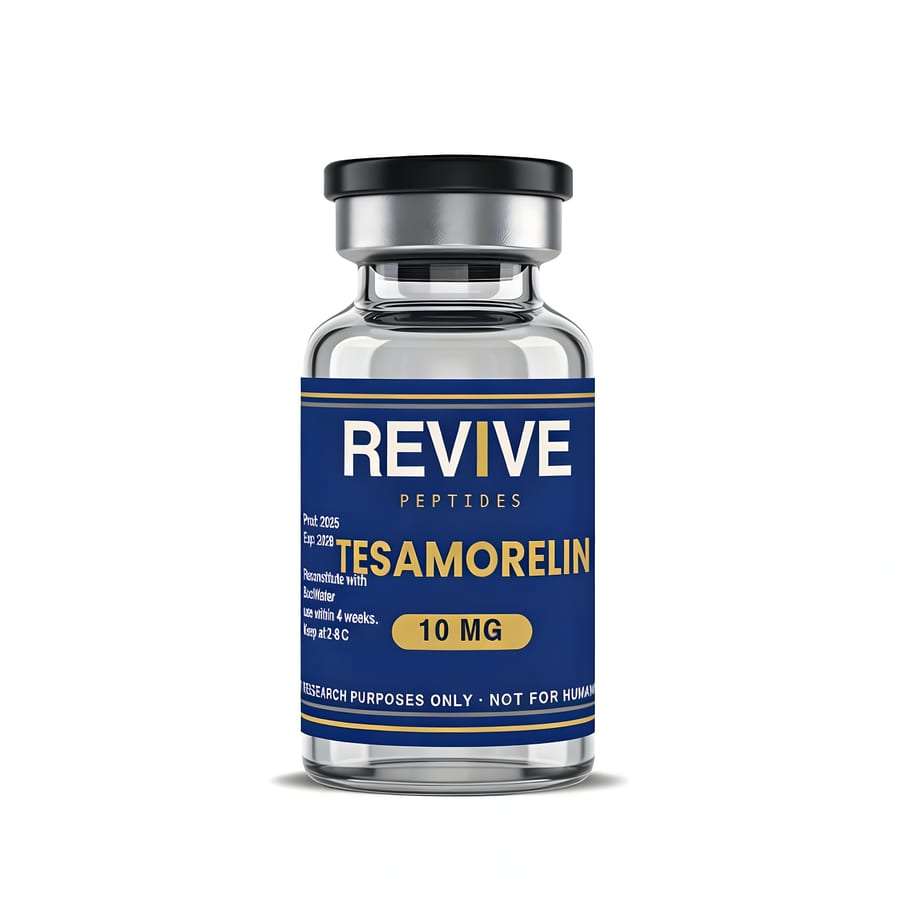
- Vial format for multi-week runs: 10mg lyophilised vials for protocols of 14+ days; 5mg vials appropriate for shorter acute feasibility phases or dose-titration arms
- Reconstitution vehicle: Bacteriostatic water (BW), standard reconstitution; volume per administration calculated against research-literature dose range
- Post-reconstitution storage: 2–8°C refrigeration — non-negotiable in UAE summer ambient conditions even during winter Ramadan months
- Blood sampling windows: T+30min, T+60min, and T+90min post-administration for IGF-1 and GH pulse characterisation; pre-Fajr administration allows sampling completion before the obligatory fast begins and before research subjects leave the facility
- Washout and rest day structure: Pre-specify approach to Eid holidays (typically 1–3 days at Ramadan's close) in protocol as scheduled interruption windows
- Control arm: Matched non-fasting cohort with identical administration timing isolates fasting-state pharmacodynamic effects from circadian phase effects
A protocol design detail that UAE researchers frequently underspecify: suhoor meal macrocomposition as a controlled variable. A carbohydrate-dominant suhoor (rice, khubz, dates, sweetened milk — typical Gulf suhoor fare) generates a substantively different post-meal insulin environment than a protein-dominant suhoor. By the time of GHRH analog administration 30–45 minutes later, insulin trajectory differs markedly between macrocomposition conditions, and insulin itself modulates IGF-1 binding protein dynamics. If your research question is sensitive to insulin-axis interactions, pre-specify and standardise suhoor meal composition or stratify as a subgroup variable in analysis. Researchers at DHCC institutions and Abu Dhabi academic labs who have raised this issue in pre-protocol consultations with REVIVE LAB UAE's research desk consistently flag it as an underappreciated confounder.
5mg & 10mg lyophilised vials. Same-day Dubai dispatch. 24h delivery across UAE. Discreet packaging standard.
Buy Tesamorelin UAE — REVIVE LAB UAE
Reconstitution and Cold-Chain in UAE Conditions
Ramadan 2027 falls in February — which means UAE researchers running this protocol will be operating during the coolest part of the year, with Dubai ambient daytime temperatures around 22–26°C. That is a comfortable cold-chain environment relative to the summer months, when ambient temperatures in the UAE routinely exceed 42°C and peak above 48°C in August. However, researchers planning ahead for summer 2027 peptide procurement or running any other tesamorelin protocol between May and October face a different challenge entirely, and the UAE-specific cold-chain guidance below applies year-round for any researcher ordering tesamorelin in stock UAE.
REVIVE LAB UAE ships tesamorelin vials with validated cold packs specified for UAE transit conditions, with insulated outer packaging designed to maintain temperature integrity through the last-mile courier window typical of Dubai delivery runs. Whether you are receiving at a JBR research facility, a Marina-adjacent lab, a Sharjah university campus, or a Palm Jumeirah corporate wellness research centre, packaging is engineered for the realistic worst-case scenario: a courier van in peak summer traffic between DXB and the delivery address.
Cold-Chain Handling — UAE Lab Best Practices
- Receive deliveries to a staffed building reception or a building with refrigerated package storage; do not allow tesamorelin vials to sit unattended in a lobby or at a DXB locker collection point during summer months
- Lyophilised sealed vials have better ambient tolerance than reconstituted solution, but UAE ambient temperatures can exceed 35°C even in air-conditioned common areas during peak summer — refrigerator storage (2–8°C) is the correct baseline, not a precaution
- Post-reconstitution with bacteriostatic water: the literature-cited stability window is approximately 21–28 days refrigerated; batch-size your reconstitutions against your protocol run length accordingly to avoid waste and the need for mid-protocol re-orders
- Never freeze reconstituted tesamorelin solution; lyophilised unreconstituted vials are more tolerant of short cold-chain disruptions, but deliberate freezing of the lyophilised cake is not recommended standard practice in the absence of validated freeze-cycle data
- For Abu Dhabi deliveries (Khalifa City, ADGM, Corniche): confirm building access and reception hours at order time; REVIVE LAB UAE can schedule dispatch to align with your on-site availability window
| State | Recommended Temperature | Approximate Stability | UAE-Specific Risk Note |
|---|---|---|---|
| Lyophilised, sealed — in transit | <25°C preferred | Hours acceptable with cold pack | Use validated cold packs May–Oct; Feb–Mar transit is lower risk |
| Lyophilised, sealed — stored | 2–8°C (refrigerate) | Per manufacturer expiry | Do not rely on UAE room temperature as stable storage baseline |
| Reconstituted in BW | 2–8°C only | 21–28 days (literature reference) | Never store at ambient UAE temperature; do not freeze |
Vial Sizing Strategy for a 29-Day Ramadan Protocol Run
Ramadan 2027's approximate 29-day duration aligns naturally with a standard 4-week research protocol. UAE researchers running continuous suhoor-timed administration through the full lunar month need to plan vial inventory before the protocol begins — mid-study procurement gaps caused by running out of in-stock peptides on day 14 are a data-integrity problem, not merely a logistical inconvenience.
That maps to six 10mg vials (with buffer for reconstitution waste and sampling redundancy) or twelve 5mg vials. For a multi-subject cohort of six to eight subjects — representative of a feasibility-scale study at a Dubai or Abu Dhabi research facility — inventory should be calculated per-subject and aggregated with a 10–15% buffer for reconstitution losses, repeat sampling, and potential protocol extensions. REVIVE LAB UAE's research account team can assist with inventory calculation for multi-arm protocols on request.
The 10mg vial format is the cost-efficient choice for runs of 14 days or longer per subject at the research-literature dose range. For shorter acute characterisation windows — a 5-to-7-day suhoor-timing feasibility assessment, for example — the 5mg vial gives tighter inventory control with less buffer waste and a lower per-order commitment. Both formats are held in-country: order tesamorelin Dubai and the vials leave the same day, not next week from a European warehouse.
Procurement Logistics: Why In-Country UAE Stock Changes Everything
The principal friction point for researchers in Dubai, Abu Dhabi, and across the UAE sourcing research peptides has historically been lead time. International suppliers operating from Europe or North America carry 7-to-21-day shipping windows, customs clearance risk in DXB and AUH, and cold-chain integrity uncertainty across that entire span. For a researcher designing a time-sensitive protocol locked to a fixed intervention window — like a Ramadan fasting study where the suhoor window is determined by the lunar calendar and cannot be moved — this international lead time is not an inconvenience; it is a protocol-viability risk.
REVIVE LAB UAE eliminates this entirely. Tesamorelin 5mg and 10mg vials are held in-country. Same-day dispatch is available for orders confirmed before the daily cutoff. Twenty-four-hour delivery coverage spans Dubai (Marina, JBR, Business Bay, DHCC, Dubai Science Park, Palm Jumeirah, DXB airport district), Abu Dhabi (Khalifa City, ADGM, Corniche, Yas Island), Sharjah (academic corridor, Al Majaz), and the wider UAE emirates. If you run out of vials on day 19 of your Ramadan protocol, a next-day resupply from REVIVE LAB UAE is a realistic option — not a two-week wait.
Discreet packaging is standard on all REVIVE LAB UAE fulfillments. Outer packaging carries no product identification, no brand markings, and no content descriptions. This matters for institutional research deliveries in shared-reception environments across Business Bay towers, Sharjah university buildings, or Dubai Science Park facilities where receiving staff do not hold research clearance. Payment options include bank transfer and USDT via Binance Pay — with a 5% pre-pay discount applicable to Binance Pay orders — as well as alternative arrangements that the team can discuss via WhatsApp for established B2B research accounts. Procurement documentation (invoice, product specification, research-use declaration) is issued with every order, formatted for institutional research files and IRB procurement records.
Regulatory and Documentation Context for UAE Researchers
Tesamorelin in the UAE is procured and held under research-use frameworks. It is not licensed for clinical dispensing through UAE Ministry of Health retail channels. This distinction is important for UAE-based researchers: the appropriate procurement pathway is through a B2B research supplier — such as REVIVE LAB UAE — with institutional research-purpose documentation rather than through pharmacy channels. Researchers at universities in Sharjah, health institutes in Abu Dhabi's research districts, private research facilities across Dubai's DHCC and Business Bay corridors, and GCC-based independent research organisations regularly source peptides through this channel with appropriate institutional sign-off.
For researchers submitting Ramadan-model GHRH analog protocols to an institutional review body, the procurement chain documentation from REVIVE LAB UAE (research-use invoices, product specification sheets, and chain-of-custody records) provides a clear audit trail that ethics committees and institutional administrators expect to see. Contact the REVIVE LAB UAE research desk via WhatsApp early in your protocol design phase — not after IRB approval — to ensure documentation formats align with your institution's specific requirements before procurement begins.
FAQ
Can I order tesamorelin in UAE with same-day delivery?
Yes. REVIVE LAB UAE stocks tesamorelin 5mg and 10mg vials in-country and offers same-day dispatch for orders confirmed before the daily cutoff. Twenty-four-hour delivery coverage extends across Dubai (Marina, JBR, Business Bay, DHCC, DXB, Palm Jumeirah), Abu Dhabi, Sharjah, and the wider UAE. Discreet packaging is standard on every research order — no product identification on outer packaging. Place your order tesamorelin Dubai here.
What vial sizes of tesamorelin does REVIVE LAB UAE stock?
REVIVE LAB UAE carries tesamorelin in 5mg and 10mg lyophilised vials for research use only. Both sizes are held in-country in Dubai with no import delays or customs clearance risk. The 10mg vial is the preferred format for multi-week continuous protocols (14+ days at peer-reviewed dose ranges); the 5mg vial suits shorter acute characterisation runs or dose-titration arms. Procurement documentation is issued with all orders. Check current tesamorelin in stock UAE availability.
Does REVIVE LAB UAE offer cash on delivery for tesamorelin in Dubai?
REVIVE LAB UAE offers multiple payment options for UAE research accounts, including bank transfer and USDT via Binance Pay (with a 5% pre-pay discount). Contact the team via WhatsApp to confirm current tesamorelin cash on delivery Dubai availability for your specific delivery zone and account type. All orders include research-use procurement documentation.
- Falutz J, Allas S, Blot K, et al. Metabolic effects of a growth hormone-releasing factor in patients with HIV. New England Journal of Medicine. 2007;357(23):2359–2370.
- Falutz J, Mamputu JC, Potvin D, et al. Effects of tesamorelin (TH9507), a growth hormone-releasing factor analog, in HIV-infected patients with excess abdominal fat: a pooled analysis of two multicenter, double-blind placebo-controlled phase 3 trials with follow-up. Journal of Clinical Endocrinology & Metabolism. 2010;95(9):4291–4304.
- Stanley TL, Falutz J, Mamputu JC, et al. Effect of tesamorelin on visceral fat and liver fat in HIV-infected patients with abdominal fat accumulation: a randomized clinical trial. JAMA. 2014;312(4):380–389.
- Stanley TL, Fourman LT, Feldpausch MN, et al. Long-term effects of tesamorelin on metabolic outcomes in HIV. Lancet HIV. 2019.
5mg & 10mg lyophilised vials. 24h delivery Dubai, Abu Dhabi, Sharjah. Discreet packaging. Procurement docs included.
Buy Tesamorelin UAE — Same-Day Dispatch from REVIVE LAB UAE