BPC-157 Leaky Gut Research: What the Intestinal Barrier Studies Actually Show (UAE 2026)
What Is "Leaky Gut" in Research Terms?
"Leaky gut" — clinically called increased intestinal permeability — is measurable as elevated lactulose/mannitol ratios, reduced occludin and ZO-1 (tight-junction proteins), and translocation of bacterial LPS into systemic circulation. It is associated with IBD, NSAID-induced enteropathy, and several autoimmune conditions, but the mainstream gastroenterology consensus is that "leaky gut" as a stand-alone diagnosis remains controversial.
For research purposes, the question is simpler: does BPC-157 restore intestinal barrier integrity in validated models? The answer in the rodent literature is consistent — yes.
The Sikiric Lab Foundation Work
Sikiric and colleagues at the University of Zagreb have published the bulk of BPC-157 gut research over three decades. Key findings:
| Study | Model | Outcome |
|---|---|---|
| Sikiric 1993 | Rat ulcer model | Accelerated gastric healing |
| Klicek 2008 | Rat colitis (TNBS-induced) | Reduced inflammation, restored mucosa |
| Drmić 2017 | Rat short bowel | Improved nutrient absorption |
| Vukojević 2018 | Rat ischemia/reperfusion | Intestinal barrier protection |
| Sikiric 2011 review | Multi-organ healing | Mechanism synthesis |
Proposed Mechanisms
- Tight junction restoration. BPC-157 upregulates ZO-1 and occludin expression in inflamed intestinal tissue (Klicek 2008).
- Angiogenesis. Pro-angiogenic effects via VEGFR2 pathway improve mucosal blood supply (Sikiric 2018).
- Anti-inflammatory cytokine modulation. Reduced TNF-α, IL-6, IL-1β in colitis models (Klicek 2008).
- Nitric oxide system interaction. NO synthesis modulation in gut wall protects against ischemic damage (Sikiric 2014).
Oral vs Injection for Gut Research
Sikiric's group has published on both routes. Their take: oral BPC-157 reaches gut tissue directly and survives gastric pH unusually well for a peptide, but systemic effects from injected BPC-157 also reach the gut via blood supply. See our deeper comparison in BPC-157 oral vs injection research.
For gut barrier research specifically, oral administration has a theoretical advantage — direct contact with the intestinal lumen. Many research protocols use BAC water reconstitution and oral administration at 250–500 µg per session.
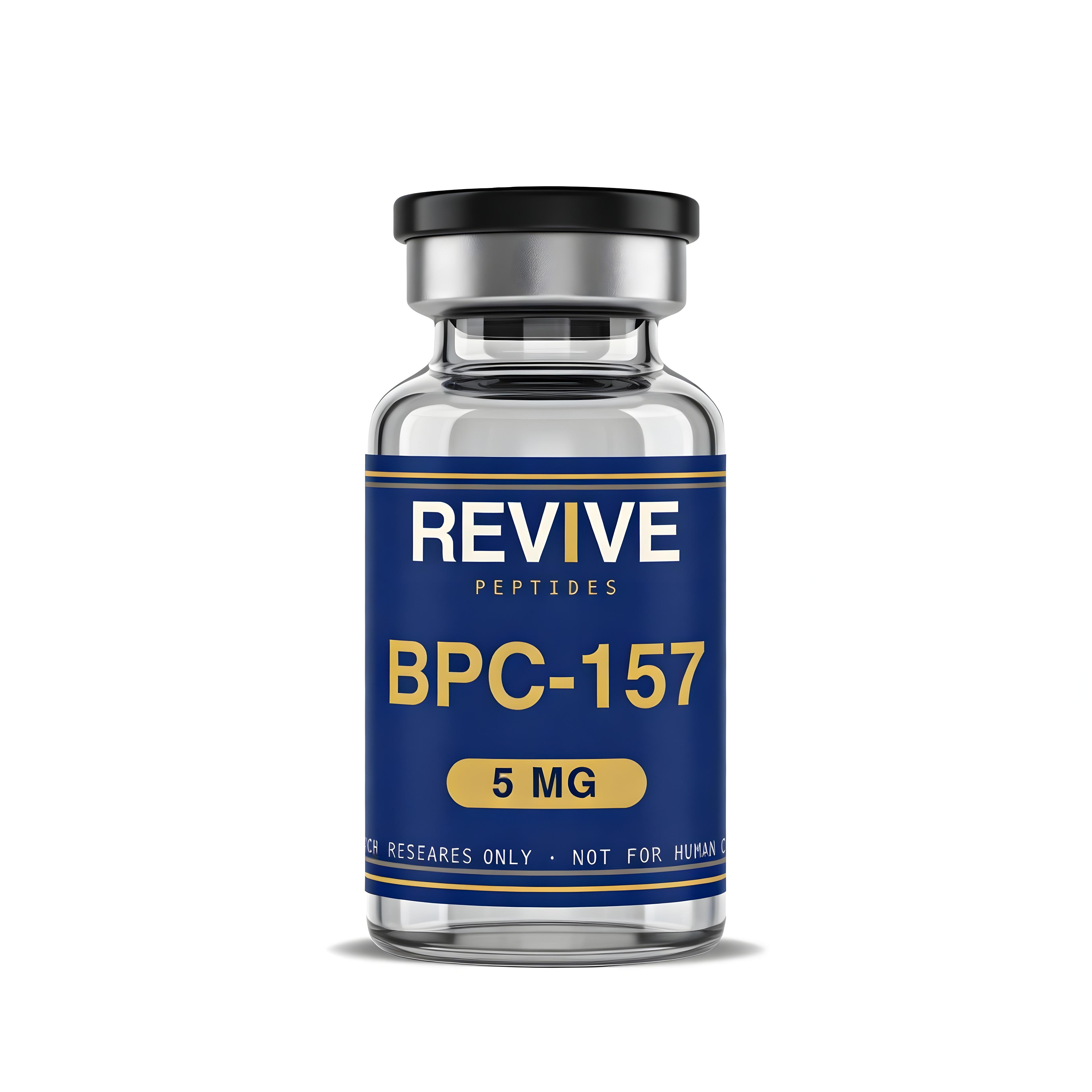
REVIVE supplies BPC-157 5 mg vials with HPLC certificates and cold-chain UAE shipping.
View BPC-157 5 mg →
What's Missing for Human Translation
- No published human RCTs. Despite decades of rodent work, no peer-reviewed human trial of BPC-157 for gut permeability has been published as of 2026.
- No dose-finding studies in humans. The 10 µg/kg rodent dose does not have a validated human equivalent.
- No long-term safety data. Rodent studies typically run 14–28 days; multi-year human safety is unknown.
- Confounders in human use. Anyone using BPC-157 for gut symptoms is typically also modifying diet, NSAIDs, alcohol — making causation unclear.
Why Researchers Still Use It
The rodent evidence is unusually consistent across labs, dose ranges, and disease models. The mechanism is biologically plausible (tight-junction restoration is a well-characterised target). And the safety profile in rodents is clean even at 100x research doses (Sikiric 2018).
For a peptide research programme focused on gut barrier function, BPC-157 remains the most published tool — even with the human evidence gap.
References
- Sikiric P, Seiwerth S, Brcic L, et al. Revised Robert's cytoprotection and adaptive cytoprotection and stable gastric pentadecapeptide BPC 157. Curr Pharm Des. 2011;17(16):1612–1632.
- Klicek R, Sever M, Radic B, et al. Pentadecapeptide BPC 157, in clinical trials as a therapy for inflammatory bowel disease, prevents and counteracts colitis in rats. J Physiol Pharmacol. 2008;59 Suppl 7:185–197.
- Drmić D, Samara M, Vidović T, et al. BPC 157 and short bowel syndrome in rats. Dig Dis Sci. 2017;62(7):1797–1806.
- Vukojević J, Siroglavić M, Kašnik K, et al. Rat inferior caval vein and gastric pentadecapeptide BPC 157. Life Sci. 2018;213:80–88.
- Sikiric P, Seiwerth S, Rucman R, et al. Stable gastric pentadecapeptide BPC 157: novel therapy in gastrointestinal tract. Curr Pharm Des. 2018;24(18):1988–2010.