BPC-157 Mechanism of Action: An Angiogenesis & Gut Mucosal Research Review (2026)
Why Mechanism Matters More Than Outcome Claims
BPC-157's published literature is unusually broad in the range of biological systems it touches — gastrointestinal, vascular, and connective-tissue research all appear across the body of work associated with the compound. For researchers evaluating whether it's relevant to their own protocol, understanding the proposed mechanisms is more useful than headline summaries, because it clarifies which specific pathway a given study is actually examining.
This page focuses on mechanism — the biological pathways studied in cell-based and animal-model research — without reference to specific outcome percentages or translational claims. It is intended as an orientation for laboratory researchers designing their own protocols.
Angiogenesis Research: The VEGF Pathway
One of the most frequently studied mechanistic threads in the BPC-157 literature relates to angiogenesis — the biological process of new blood vessel formation. Published research has examined BPC-157 in connection with vascular endothelial growth factor (VEGF) signalling, a central pathway in angiogenesis research generally. Researchers studying tissue-repair models have used BPC-157 as a tool compound to probe how modulating this pathway affects vascularisation processes in laboratory settings.
This angiogenesis research thread is one reason BPC-157 appears frequently in tissue and tendon-repair research literature — vascularisation is a well-established prerequisite process studied broadly in wound-healing and connective-tissue biology, independent of any single compound.
Nitric Oxide System Modulation
A second mechanistic pathway examined in published BPC-157 research involves the nitric oxide (NO) signalling system. Nitric oxide is a signalling molecule studied broadly across vascular biology, and published animal-model research has investigated BPC-157's association with NO-system activity as part of explaining its studied effects on tissue and vascular models. Sikiric's research group has published extensively on this pathway as a proposed mechanistic explanation connecting the compound's gastrointestinal and vascular research findings.
Gut Mucosal Protection Mechanisms
BPC-157's original research context relates to gastric-mucosal protection — the compound's sequence was derived from research into a naturally occurring protective protein studied in gastric juice. Published preclinical literature has examined mechanisms by which the compound may be associated with mucosal-barrier integrity in gastrointestinal animal models, an area that remains the most extensively published research thread for this compound.
Sikiric et al.'s 2011 review in Current Pharmaceutical Design synthesises much of this mechanistic literature, connecting the gastrointestinal protection research thread to the broader angiogenesis and tissue-repair findings discussed above — researchers wanting primary-source mechanistic detail should consult that paper directly.
How These Pathways Connect
A useful way to think about the BPC-157 mechanism literature is as three interconnected research threads rather than three unrelated findings: mucosal protection, angiogenesis, and nitric oxide signalling are all pathways that plausibly interact in tissue-repair and gastrointestinal biology. This is part of why the compound has attracted sustained research interest across seemingly disparate fields — sports-science tendon research, gastroenterology, and vascular biology all touch the same underlying mechanistic questions from different angles.
Why This Matters for Research Protocol Design
Researchers designing a laboratory protocol around BPC-157 should identify which specific pathway their study is actually probing — angiogenesis assays, NO-pathway markers, or mucosal-integrity endpoints require different experimental designs and controls. Treating BPC-157 as a single undifferentiated "tissue repair compound" obscures the fact that its published mechanism literature spans genuinely distinct biological systems.
BPC-157 Research-Grade Specifications
| Spec | BPC-157 5 mg vial |
|---|---|
| Price | AED 490 |
| Molecular weight | ≈1419 Da |
| Purity (HPLC) | ≥99.2% |
| Sequence | Pentadecapeptide (15 amino acids) |
| Storage | −20°C, desiccated |
| Reconstitution | Bacteriostatic water, 2–3 mL |
| Intended use | Laboratory research only — not for human or veterinary use |
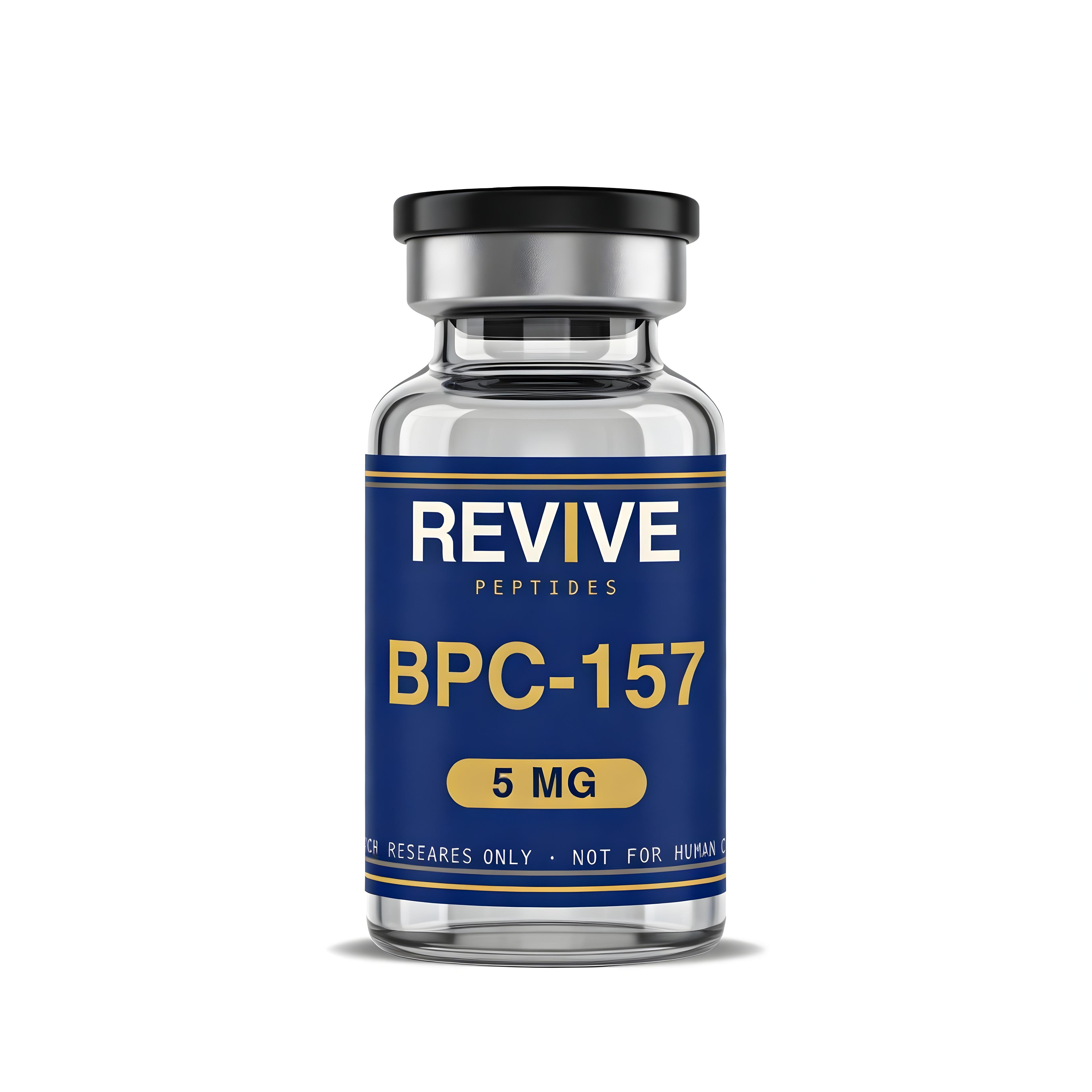
REVIVE LAB UAE supplies HPLC-verified BPC-157 5 mg vials with certificate of analysis. Strictly a research reference material.
View BPC-157 research specs →
Reading Mechanism Papers Critically
As with any mechanism literature concentrated around a small group of research labs, distinguish between what has been directly measured in a defined assay and what is proposed as an explanatory model connecting multiple findings. The VEGF and nitric oxide pathways are established areas of vascular-biology research generally; BPC-157's specific role within them is still an active area of published investigation. Treat this page as an orientation to the mechanistic literature, not a substitute for reading the primary paper referenced below.
References
- Sikiric P, Seiwerth S, Rucman R, et al. Stable gastric pentadecapeptide BPC 157: novel therapy in gastrointestinal tract. Curr Pharm Des. 2011;17(16):1612–1632.