BPC-157: reading the research without the claims
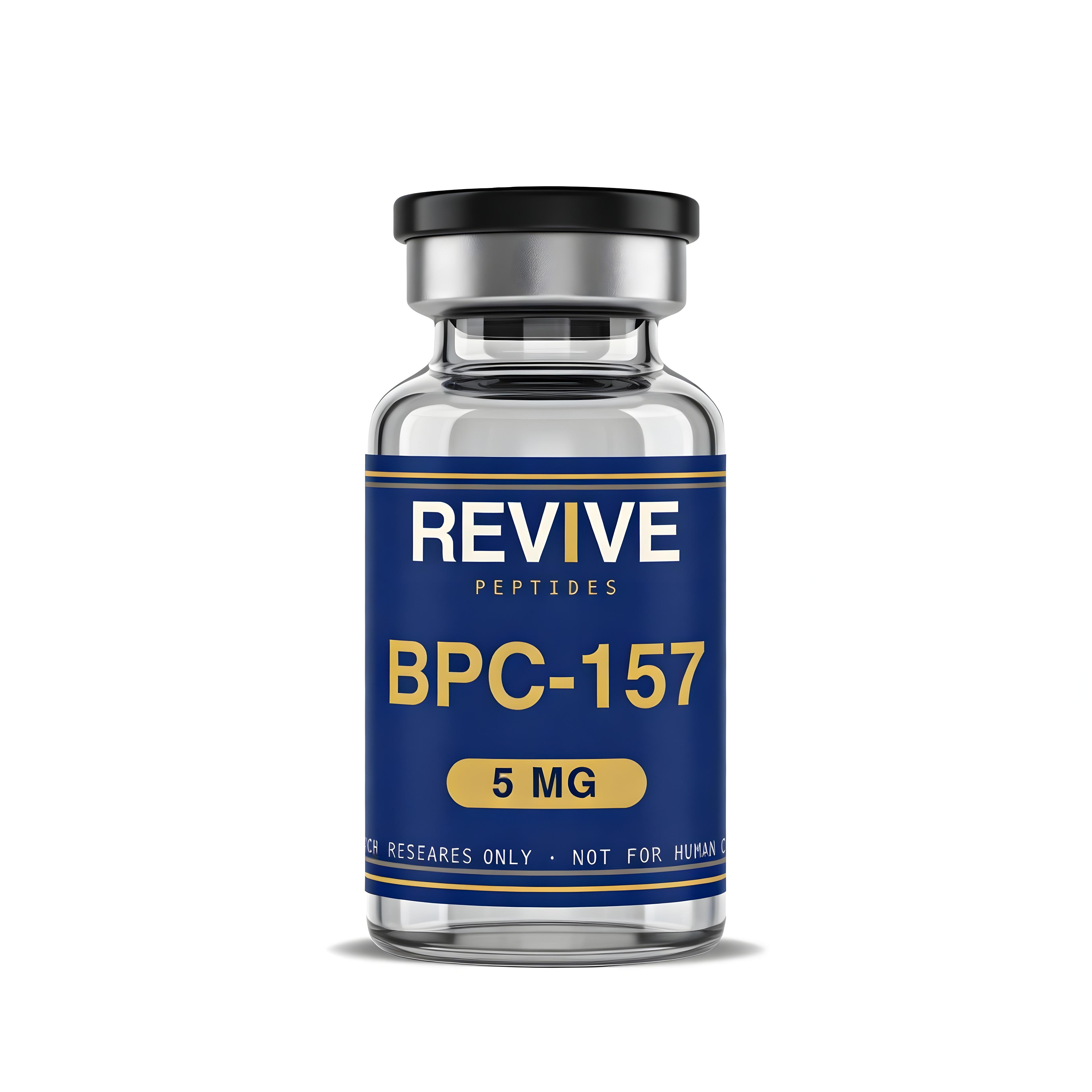
What BPC-157 is
BPC-157 is a synthetic pentadecapeptide — fifteen amino acids — derived from a sequence described in human gastric juice. The name stands for Body Protection Compound. It is sometimes called a stable gastric pentadecapeptide in the literature, a reference to its reported resistance to degradation in gastric acid.
It is a synthetic construct, not a hormone or a licensed drug, and it has no marketing authorisation in any major jurisdiction.
What the literature reports
The great majority of the published work comes from Predrag Sikiric's group in Zagreb, across several decades and a wide range of injury models — gastrointestinal lesions, tendon and ligament, muscle, nerve, and vascular models. Their 2011 review in Current Pharmaceutical Design is the usual starting point for reading it.
The mechanistic strand most often cited outside that group concerns angiogenesis and growth-factor signalling. Chang and colleagues reported effects on tendon fibroblast outgrowth and migration in culture, and in later work examined growth hormone receptor expression in those cells.
Why the evidence is weaker than it looks
The volume of papers is genuinely large, but it is concentrated in animal models and in one research group, and independent replication in humans is thin. A long citation list is not the same as a robust, independently reproduced clinical effect.
There are no large randomised controlled trials establishing a human indication. That is the honest state of the evidence, and it is the reason this article describes mechanisms and models rather than outcomes.
Regulatory and anti-doping status
BPC-157 was added to the World Anti-Doping Agency Prohibited List, in the peptide hormones and growth factors class, effective from 2022. Any athlete subject to anti-doping rules should treat it as prohibited in and out of competition.
It is supplied here strictly as a laboratory reference material. It is not a medicine, and this article recommends no dose, route or schedule.
Catalogue item
| Item | BPC-157 |
|---|---|
| Strength | 5 mg |
| Purity | ≥ 99.2% (HPLC) |
| Price | AED 490 |
| Delivery | Same-day Dubai dispatch before 4 PM, 24-hour delivery across all seven emirates. |
References
- Sikiric P, Seiwerth S, Rucman R, et al. Stable gastric pentadecapeptide BPC 157: novel therapy in gastrointestinal tract. Curr Pharm Des. 2011;17(16):1612–1632.
- Chang CH, Tsai WC, Lin MS, Hsu YH, Pang JHS. The promoting effect of pentadecapeptide BPC 157 on tendon healing involves tendon outgrowth, cell survival, and cell migration. J Appl Physiol. 2011;110(3):774–780.
- Chang CH, Tsai WC, Hsu YH, Pang JHS. Pentadecapeptide BPC 157 enhances the growth hormone receptor expression in tendon fibroblasts. Molecules. 2014;19(11):19066–19077.
- Sikiric P, Seiwerth S, Rucman R, et al. Brain-gut axis and pentadecapeptide BPC 157: theoretical and practical implications. Curr Neuropharmacol. 2016;14(8):857–865.
- World Anti-Doping Agency. Prohibited List — S2 Peptide Hormones, Growth Factors, Related Substances and Mimetics.