BPC-157 vs TB-500: Research Focus, Specs and UAE Delivery Compared
Two Peptides, Two Different Research Lanes
Researchers new to the peptide space often assume BPC-157 and TB-500 are interchangeable because both show up in tissue-repair conversations. They're not — they're complementary, which is exactly why so many UAE protocols study them side by side rather than picking one over the other.
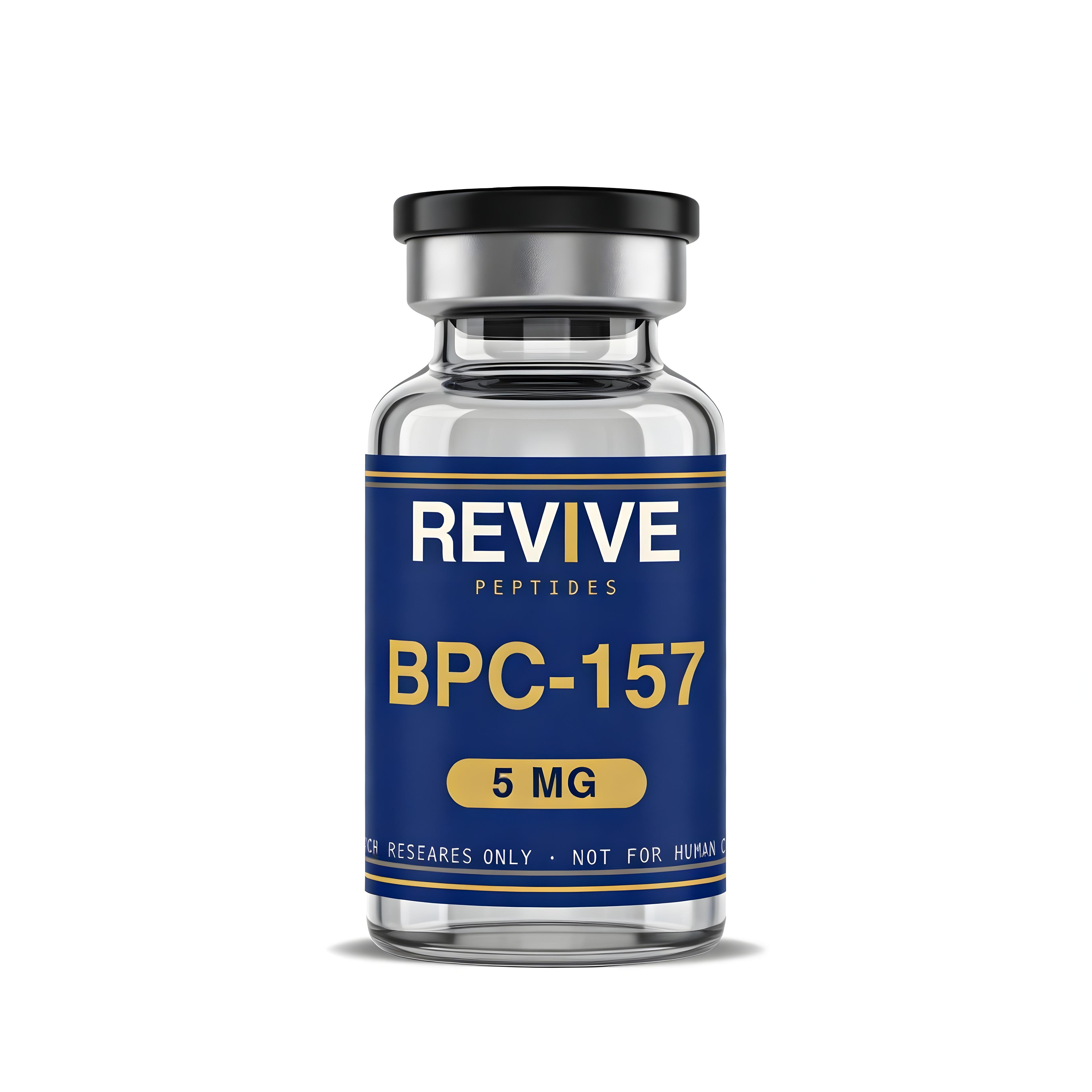
BPC-157 is a synthetic pentadecapeptide (15 amino acids) derived from a gastric-juice sequence. Its deepest literature base — built substantially on Predrag Sikiric's published research — sits in gastric-protection and gut-lining models, with an expanding secondary literature in tissue and tendon repair.
TB-500 is a synthetic fragment of Thymosin beta-4, a naturally occurring actin-binding protein. Its research focus centers on cell migration, angiogenesis, and cytoskeletal regulation — a more systemic mechanism than BPC-157's more localized, gut-anchored profile.
Side-by-Side Specifications
| Spec | BPC-157 | TB-500 |
|---|---|---|
| Strength | 5 mg vial | 10 mg vial |
| Price | AED 490 | AED 640 |
| Purity (HPLC) | ≥99.2% | ≥98.8% |
| Molecular weight | ≈1419 Da | ≈1880 Da |
| Sequence | Pentadecapeptide, 15 amino acids | Thymosin β-4 fragment, 17 amino acids |
| Form | White lyophilised powder | White lyophilised powder |
| Storage | −20°C, desiccated | −20°C, desiccated |
| Reconstitution | Bacteriostatic water, 2–3 mL | Bacteriostatic water, 2–3 mL |
Research Focus Comparison
- BPC-157 — gastric-protection and gut-lining research; secondary literature in tendon and localized tissue repair; associated with angiogenesis activity at injury sites.
- TB-500 — actin regulation and cell-migration research; angiogenesis and endothelial-cell activity; broader, more systemic distribution profile studied across muscle, cardiac and dermal models.
The overlap point for both is angiogenesis — new blood-vessel formation in injured tissue — which is exactly why researchers studying soft-tissue recovery pathways frequently run both compounds in parallel arms rather than treating them as substitutes.
UAE Delivery — Both Ship on the Same Schedule
Whichever compound your protocol calls for — or both — REVIVE's delivery rule doesn't change: order before 4 PM and you're covered same-day, whether you're in Dubai or Abu Dhabi.
| Zone | Delivery window | Cut-off time |
|---|---|---|
| Dubai (all zones) | Same-day | 4 PM |
| Abu Dhabi | Same-day | 4 PM |
| Sharjah / Ajman | 24h | 4 PM |
| Northern Emirates (RAK, Fujairah, UAQ) | 1–2 business days | 4 PM |
Ordering both together
- Message REVIVE on WhatsApp for both BPC-157 and TB-500 in one order.
- Enter your Dubai or Abu Dhabi delivery address.
- Confirm before 4 PM for same-day dispatch in either Dubai or Abu Dhabi — both vials ship in one box.
- Pay on delivery, or settle by Binance Pay (USDT) for a pre-pay discount.
- Store both sealed vials at −20°C, desiccated, until ready to reconstitute.
REVIVE stocks both peptides with HPLC certificates, shipped together on the 4 PM cutoff.
Buy BPC-157 → BPC-157 UAE Page →
Buy TB-500 → TB-500 UAE Page →
Which One Does Your Protocol Actually Need?
If your research question centers on gastric-lining integrity, gut-model repair, or localized tissue healing, BPC-157's literature base is the more directly relevant starting point. If your question is about systemic cell migration, endothelial activity, or angiogenesis across a broader tissue field, TB-500's actin-regulation mechanism is the closer match. If you're studying general soft-tissue recovery without a narrow mechanistic question yet, running both in parallel — as many UAE labs do — lets you compare outcomes across two distinct but complementary pathways.
Common Questions
Is one peptide "stronger" than the other?
They're not directly comparable on a strength axis — they work through different proposed mechanisms in different research contexts, not a shared dose-response curve.
Can both be reconstituted the same way?
Yes — both use bacteriostatic water, added gently along the vial wall, with the solution swirled (not shaken) and refrigerated immediately.
Do both come with a certificate of analysis?
Yes, every BPC-157 and TB-500 vial ships with a lot-specific HPLC certificate of analysis.