TB-500 Dubai Research Guide 2026: Actin Binding, Angiogenesis, and Systemic Repair Signalling
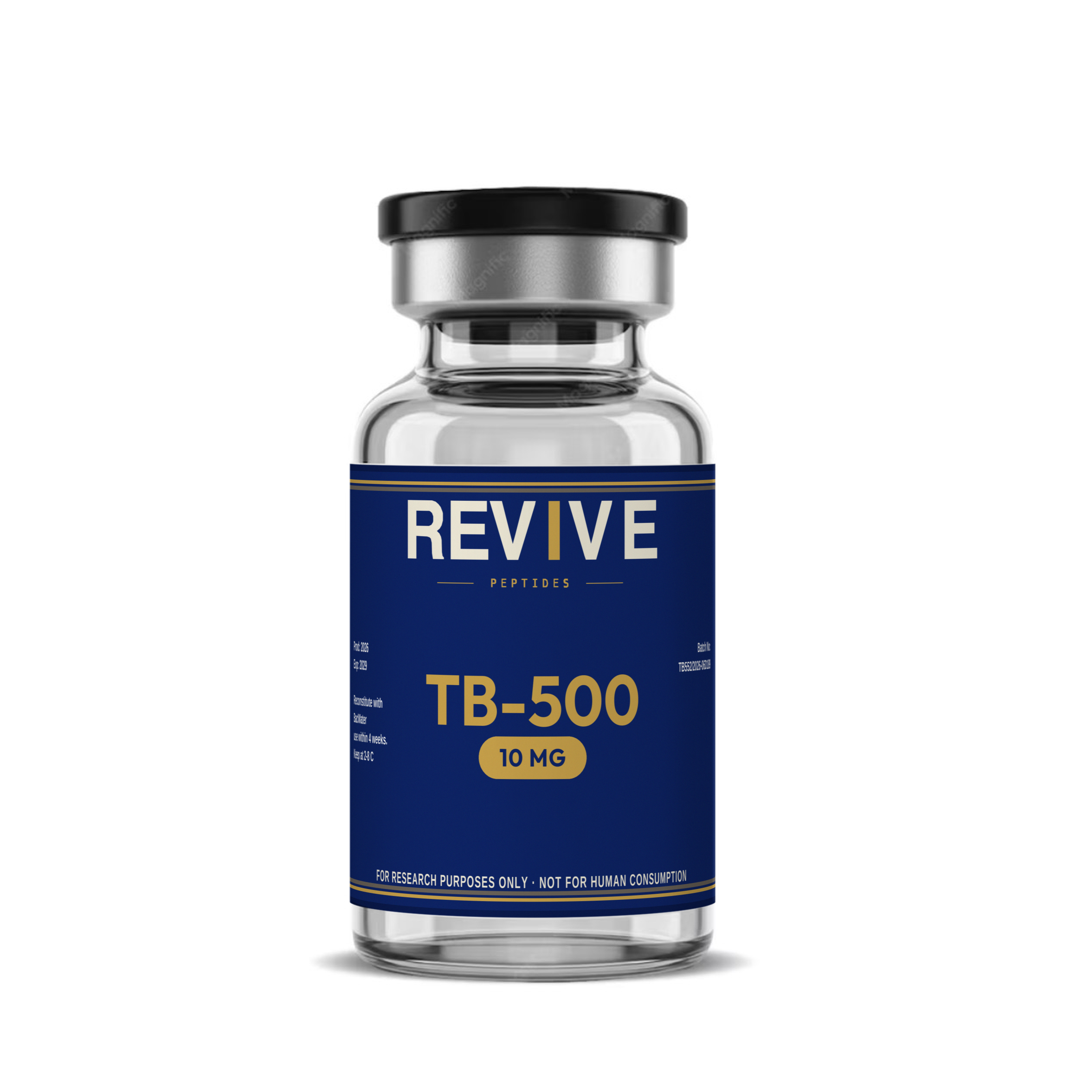
What TB-500 Actually Is
TB-500 is not a full protein — it's a 17-amino-acid synthetic fragment built around the LKKTETQ sequence, the segment of full-length Thymosin β-4 responsible for its actin-binding activity. Thymosin β-4 itself is a small, highly conserved intracellular protein found across most mammalian tissue types, and it's one of the most abundant actin-regulating peptides in the cell. TB-500 was designed to carry forward that specific functional motif in a smaller, more stable synthetic form — which is why the research community treats it as a proxy for probing the same actin-binding pathway the parent molecule engages.
Getting the amino acid count right matters here: TB-500 is the 17-residue fragment, not a 7-residue peptide — that's a distinction worth being precise about, since the two numbers get confused in casual research-forum writing.
The Actin-Binding Mechanism, in Plain Terms
Actin is the structural protein that gives cells their shape and lets them move. It exists in two states — free monomers (G-actin) and assembled filaments (F-actin) — and the balance between the two governs everything from cell migration to wound-edge closure at a tissue level. TB-500's defining biochemical property is that it binds G-actin monomers through the LKKTETQ motif, which places it directly inside the machinery that controls how and when cells reorganize their internal scaffolding.
This single mechanism has broad downstream implications, because actin dynamics sit upstream of so many cellular processes:
- Cell migration. Actin polymerization at the leading edge of a migrating cell is the physical driver of movement — a pathway TB-500's actin-binding activity is positioned to influence.
- Angiogenesis-related signalling. New blood vessel formation requires endothelial cells to migrate and reorganize, processes that are actin-dependent at the cellular level — this is the general area of tissue-repair research where Thymosin β-4 biology has drawn sustained investigator attention.
- Systemic tissue-repair context. Because actin dynamics are involved in nearly every tissue type, the research literature on Thymosin β-4 spans a wide range of repair-model contexts rather than a single organ system.
The Research Lineage: Goldstein and the Thymosin β-4 Literature
Allan L. Goldstein and colleagues built the foundational published body of work on Thymosin β-4 — decades of research examining its actin-binding chemistry, its role in angiogenesis-related signalling, and its behaviour across various tissue-repair models. Rather than citing specific figures or page numbers from memory, the useful framing for researchers is simply this: Goldstein's group is the recognized reference point in the Thymosin β-4 literature, and TB-500 research today builds directly on the actin-binding mechanism that lineage of work established.
See full TB-500 specs →
Why Dubai Is the Right Base for TB-500 Research Supply
Dubai's research and aesthetic-medicine sector has scaled fast enough that peptide supply logistics can no longer be an afterthought. A Dubai-based cold-chain dispatch point means TB-500 vials aren't sitting in a customs queue or riding a multi-leg freight chain before reaching a bench — they're moving from local stock to local delivery, same day, for any order confirmed before 4 PM.
Dubai and UAE-wide delivery windows
| Emirate / Area | Delivery window | Cut-off time | Packaging |
|---|---|---|---|
| Dubai (all zones) | Same-day | 4 PM | Insulated + gel pack |
| Abu Dhabi (all zones) | Same-day | 4 PM | Insulated + double gel pack |
| Sharjah & Ajman | 24 hours | 4 PM | Insulated + gel pack |
| Northern Emirates (RAK, Fujairah, UAQ) | 1–2 business days | 4 PM | Reinforced cold-chain |
TB-500 Vial Specifications
| Spec | Detail |
|---|---|
| Strength | 10 mg vial |
| Price | AED 640 |
| Sequence | Thymosin β-4 fragment — 17 amino acids, LKKTETQ actin-binding motif |
| Molecular weight | ≈ 1880 Da |
| Purity (HPLC) | ≥ 98.8% |
| Form | White lyophilized powder |
| Storage (lyophilized) | −20°C, desiccated |
| Reconstitution | 2–3 mL bacteriostatic water |
Reconstitution is lab prep, not administration: add bacteriostatic water slowly down the vial wall, swirl — never shake — and refrigerate the solution immediately. REVIVE does not publish or provide dosing, injection-frequency, or self-administration guidance of any kind; that falls outside the scope of a research-use supplier.
Ordering TB-500 From Dubai — The Practical Steps
- Order at /peptides/tb-500.html — the single 10mg, AED 640 vial format.
- Enter your Dubai (or any UAE) delivery address.
- Confirm before 4 PM for same-day dispatch to Dubai or Abu Dhabi — 24h for Sharjah and Ajman, longer for the Northern Emirates.
- Track the cold-chain courier and sign on arrival.
- Refrigerate promptly at −20°C, desiccated, per the spec table above.
Buy TB-500 UAE →